


Is the hepatitis A vaccine necessary?
Apr 12, 2022
Source: Cainiu Health

Dr. Huang Wenxiang
Introduction
Is the hepatitis A vaccine necessary? The inactivated hepatitis A vaccine is one of the vaccines recommended by the World Health Organization (WHO). All individuals susceptible to the hepatitis A virus—including children aged 1 year and older, as well as adults—should receive this vaccine. Vaccination induces the production of specific antibodies, thereby enhancing the body’s immune response, and represents the most effective means of preventing hepatitis A.
Hepatitis A, commonly referred to as “hepatitis A,” is an acute infectious disease caused by the hepatitis A virus (HAV). Acute patients and subclinical感染者 are typically the sources of infection. The primary transmission route is fecal-oral; however, transmission via blood and vertical (mother-to-child) routes may also occur. So, is hepatitis A vaccination necessary? Let’s explore this further.
Is Hepatitis A Vaccination Necessary?
The inactivated hepatitis A vaccine is one of the vaccines recommended by the World Health Organization (WHO). All individuals susceptible to HAV—including children aged one year and older, as well as adults—should receive this vaccine. Following vaccination, the body produces specific antibodies, thereby enhancing immune defense. This remains the most effective means of preventing hepatitis A.
Currently available hepatitis A vaccines in China include:
1. Purified Inactivated Hepatitis A Vaccine — Viruses obtained from culture are treated to completely eliminate their viability, yielding inactivated pathogenic microorganisms. The resulting purified whole-virus particles induce high antibody titers and provide long-lasting protection—up to 20 years or more—with no risk of reversion to virulence and a high safety profile.
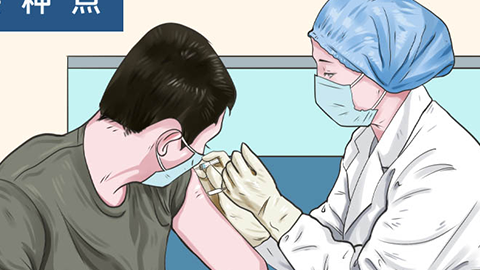
2. Live Attenuated Vaccine — Pathogens are treated with formalin to alter their structure, thereby reducing toxicity while preserving immunogenicity and viability. Typically supplied as a liquid injection, this vaccine is cost-effective and provides protection for over five years; however, its stability is relatively poor.
Individuals requiring hepatitis A vaccination may choose either of the above two vaccines. The purified inactivated vaccine requires two doses: the first dose administered at baseline, followed by a second dose six months later. In contrast, the live attenuated vaccine requires only a single dose. Both vaccines are administered via subcutaneous injection into the deltoid muscle of the upper arm. Note that the live attenuated hepatitis A vaccine must be stored at 2–8°C and has a shelf life of five months.
For susceptible individuals who have recently had close contact with a hepatitis A patient, passive immunization using human gamma globulin is recommended. Administration should occur as early as possible; the duration of protection is two to three months.
We hope the above information is helpful to you.





