Do navel oranges cause “internal heat”?
Apr 14, 2022
Source: Cainiu Health

Dr. Liu Zhengxin
Introduction
Navel oranges are non-heat-inducing. They are rich in vitamin C, citric acid, dietary fiber, carotene, orange peel oil, and minerals such as calcium, iron, zinc, and selenium. Navel oranges help stimulate saliva production, relieve coughing, promote appetite, cleanse the intestines, enhance the body’s immune function, and strengthen resistance. They can also alleviate symptoms such as constipation, abdominal distension, and loss of appetite.
Navel oranges are a common fruit in daily life. Do navel oranges cause “internal heat” (a traditional Chinese medicine concept referring to excessive internal body heat)?
Do navel oranges cause “internal heat”?
Navel oranges do not cause “internal heat.” They are rich in vitamin C, citric acid, dietary fiber, beta-carotene, orange peel oil, and essential minerals such as calcium, iron, zinc, and selenium. These nutrients help stimulate saliva production, relieve coughing, improve appetite, promote intestinal health, enhance immune function, and strengthen the body’s resistance—thereby alleviating symptoms such as constipation, abdominal distension, and poor appetite.
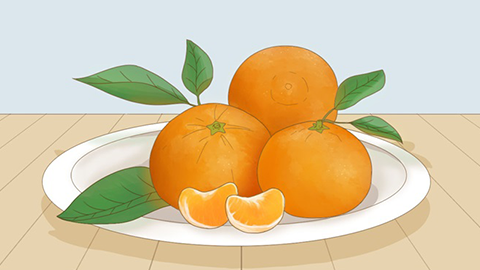
Navel oranges belong to the citrus family (Rutaceae). They were introduced to China for cultivation in the early 20th century. This fruit tree is known for its long lifespan, fresh-tasting fruit, and high nutritional value. Navel oranges can be freshly squeezed into juice—ideal for immediate consumption. Moreover, their abundant blossoms can be processed into citrus-scented tea, while their peels, leaves, and tender branches yield valuable essential oils. Indeed, every part of the navel orange is beneficial. It is suitable for consumption by pregnant women, infants, and elderly individuals alike.
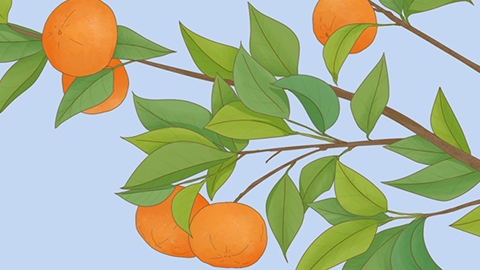
Although navel oranges do not cause “internal heat” or constipation, they are considered a “cooling” food in traditional Chinese medicine. Excessive consumption may lead to diarrhea, abdominal pain, or bloating. Therefore, individuals with a constitution characterized by deficiency-cold should avoid or limit intake. Additionally, navel oranges contain exceptionally high levels of beta-carotene; overconsumption may result in carotenemia—a harmless but noticeable yellowish discoloration of the skin. People with diabetes are also advised to consume navel oranges sparingly due to their high sugar content, which could otherwise trigger adverse reactions. We hope this information proves helpful.