


Can mangoes and navel oranges be eaten together?
May 19, 2025
Source: Cainiu Health

Dr. Yu Yongchao
Introduction
Mango is the fruit of an evergreen tree in the Anacardiaceae family, rich in beta-carotene, vitamin C, folate, minerals, and other components. It has functions such as enhancing immunity. Navel orange is the fruit of a tree in the Rutaceae family. Its flesh contains vitamin C, flavonoids, limonoids, dietary fiber, minerals, and other substances, and has antioxidant properties. These two fruits can generally be consumed together.
Generally speaking, mangoes and navel oranges can be consumed together. Details are as follows:
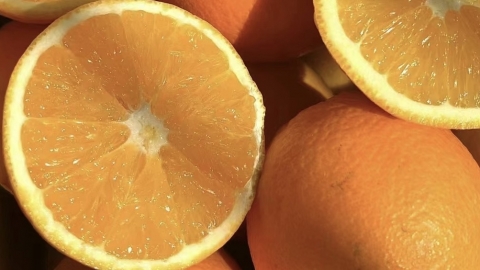
Mangoes and navel oranges are both common fruits that contain abundant vitamins, minerals, and dietary fiber. Normally, consuming them together does not produce harmful substances or cause apparent negative effects on health. Eating them together can provide rich nutrients, promote intestinal motility, and aid digestion and absorption.
However, both mangoes and navel oranges contain significant amounts of dietary fiber and fruit acids. For individuals with poor gastrointestinal function, such as those suffering from gastritis or gastric ulcers, consuming them together might increase the burden on the gastrointestinal tract, leading to symptoms like stomach pain and diarrhea. Some individuals may be allergic to either navel oranges or mangoes; allergic reactions might include symptoms such as skin redness and swelling, and in such cases, consumption is not recommended.
In daily life, to avoid unnecessary harm to the body, it is advisable to appropriately combine foods based on an understanding of one's own health status.







