


What Causes Urine Stream Splitting?
Apr 14, 2022
Source: Cainiu Health

Dr. Li Mingchuan
Introduction
Urinary stream splitting is commonly associated with prostate disorders, such as benign prostatic hyperplasia (BPH), acute or chronic prostatitis, and prostate tumors. Benign prostatic hyperplasia is the most common cause of urinary stream splitting in elderly men. As the prostate is situated at the bladder outlet, glandular enlargement compresses the bladder neck, leading to bladder outlet obstruction and consequently causing urinary stream splitting.
In real life, some men may experience urine stream splitting (bifurcation). If left untreated, this condition can seriously affect health. So, what causes urine stream splitting?
What Causes Urine Stream Splitting?
Urine stream splitting is commonly associated with prostate disorders, such as benign prostatic hyperplasia (BPH), acute or chronic prostatitis, and prostate tumors. BPH is the most frequent cause of urine stream splitting in elderly men. Since the prostate surrounds the bladder outlet, glandular enlargement compresses the bladder neck, leading to bladder outlet obstruction and resulting in urine stream splitting. Additionally, prostatic inflammation can cause prostate congestion and edema, thereby compressing the urethra and contributing to urine stream splitting. Other potential causes include urethral pathologies—such as urethral stricture, meatal stenosis, urethral calculi, meatal cysts, or obstruction by secretions at the urethral meatus—all of which may also lead to urine stream splitting.
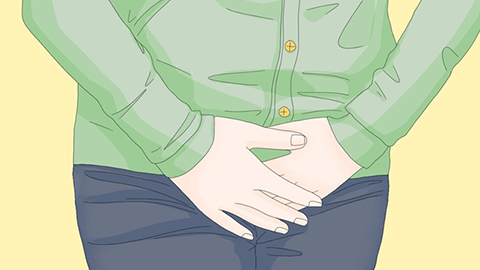
When the urine stream splits, it typically indicates prostate enlargement causing urethral compression and subsequent bifurcation of the urinary flow. Treatment generally involves oral medications—for instance, α1-adrenergic blockers—which relax and dilate the posterior urethra, prostate, and bladder neck, thereby improving urinary flow rate. In cases of significant prostate enlargement, 5α-reductase inhibitors may be added to effectively reduce prostate volume and alleviate posterior urethral compression.
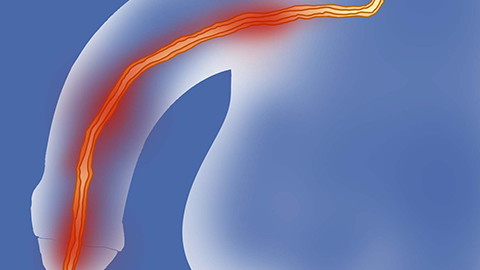
Other less common causes of urine stream splitting include posterior urethral valves, urethral strictures, and urethral polyps (also known as urethral caruncles) located at the external urethral orifice in females. We hope this information has been helpful!




