Is the purine content high in Swiss chard?
Dec 10, 2025
Source: Cainiu Health

Dr. Huang Yuhong
Introduction
Generally, chard has a relatively low to moderately low purine content. When purchasing, choose chard with thick, fresh green leaves free of yellow spots. After bringing it home, remove the tough stalks and soak the leaves in clean water for 10 minutes to remove surface dirt and pesticide residues. Blanching before cooking can further reduce its purine content. It tastes best when stir-fried with garlic or used in soups.
Generally speaking, Swiss chard is not high in purines and falls into the category of low-purine or moderately low-purine foods. The detailed analysis is as follows:
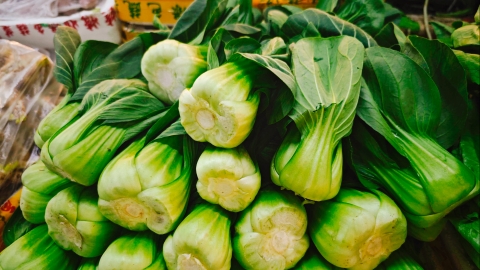
As a common leafy green vegetable, Swiss chard typically contains less than 75 mg of purines per 100 grams, meeting the criteria for low-purine foods. Although slight variations may occur depending on growing conditions, its purine content remains within the moderately low range. Purines from plant sources are naturally less active, and Swiss chard is rich in dietary fiber, vitamins, and minerals, which help regulate metabolism. Compared to high-protein, high-purine foods such as organ meats and seafood, Swiss chard has minimal impact on blood uric acid levels and is suitable for regular consumption by most people.
When purchasing, choose Swiss chard with thick, vibrant green leaves free of yellow spots. At home, remove tough stems and soak the leaves in clean water for 10 minutes to remove surface dirt and pesticide residues. Blanching before cooking can further reduce purine content. It tastes best when stir-fried with garlic or used in soups. Patients experiencing acute gout attacks should limit their intake, but can resume normal consumption during remission periods. Fresh Swiss chard should not be stored for long periods. After washing and drying, wrap it in a sealed plastic bag and refrigerate for 3–5 days. Discard immediately if leaves turn yellow or become soft and spoiled.