


What Causes Low Alanine Aminotransferase (ALT)?
Apr 20, 2022
Source: Cainiu Health

Dr. Pan Yongyuan
Introduction
Glutamic-pyruvic transaminase (also known as alanine aminotransferase, ALT) is present in all cells, with the highest concentration found in hepatocytes. Elevated ALT levels are a common pathological finding and typically indicate liver injury. The normal reference range for ALT is 0–40 U/L; values below this range are not clinically significant and do not represent a pathological condition. Therefore, a low ALT level is of no clinical concern. Some hospitals now define the normal ALT range as 5–40 U/L.
In daily life, some patients undergoing routine physical examinations at hospitals may receive test reports indicating low levels of alanine aminotransferase (ALT). What, then, are the causes of low ALT?
What Causes Low Alanine Aminotransferase?
Alanine aminotransferase (ALT) is present in all body cells, with the highest concentrations found in hepatocytes. Clinically, elevated ALT levels are commonly observed and typically indicate liver injury. The normal reference range for ALT is generally 0–40 U/L; thus, “low” ALT levels are not considered clinically meaningful or pathological. In fact, low ALT values hold no diagnostic significance and warrant no concern. Normal reference ranges may vary slightly among laboratories—some institutions define the normal ALT range as 5–40 U/L. Consequently, individuals with values below 5 U/L may mistakenly believe their ALT is abnormally low. However, such values remain well within internationally accepted normal limits. Therefore, low ALT does not indicate any underlying disease and requires no treatment—it is simply a normal physiological variation. In summary, for the general population, low ALT levels are not a cause for concern; regular follow-up testing is sufficient.
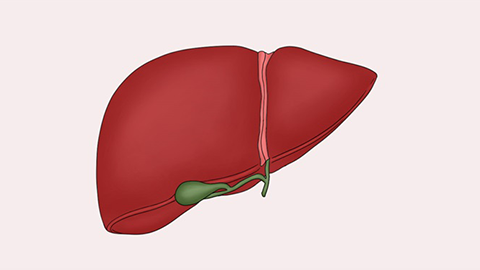
Regarding diet, maintain balanced nutrition with appropriate food combinations. Avoid excessively spicy or greasy foods, and abstain from smoking and alcohol consumption, as both contain substances harmful to liver function. In daily life, ensure adequate rest, engage in moderate physical exercise to strengthen overall health, and take care to avoid factors that could elevate ALT levels.
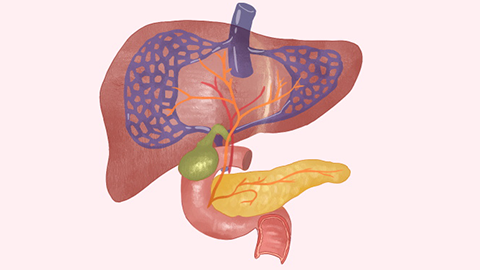
If ALT levels are found to be elevated, promptly consult a healthcare provider to determine the underlying cause and initiate appropriate, targeted treatment—thereby minimizing the risk of disease progression. We hope this information has been helpful.




