


Hazards of Aphrodisiacs
Apr 20, 2022
Source: Cainiu Health

Dr. Luo Yong
Introduction
Potency-enhancing drugs also carry numerous adverse effects. Although these drugs may aid sexual performance, frequent use can lead to drug dependence in men; some individuals may develop allergic reactions, while others may experience systemic symptoms such as hypotension, hallucinations, fever, and headache—severe cases may even result in infertility. Therefore, men should minimize their use of potency-enhancing drugs.
Some men frequently take aphrodisiacs for various reasons, yet many are unaware that such medications can pose certain health risks. What are the potential harms of aphrodisiacs?
Hazards of Aphrodisiacs
Aphrodisiacs carry numerous adverse effects. Although they may temporarily enhance sexual performance, regular or prolonged use can lead to drug dependence in men. Some individuals may also develop allergic reactions, while others experience physical symptoms—including hypotension, hallucinations, fever, and headache—potentially progressing to infertility in severe cases. Therefore, men should minimize their use of aphrodisiacs and instead adopt healthier, natural approaches to improve sexual vitality.
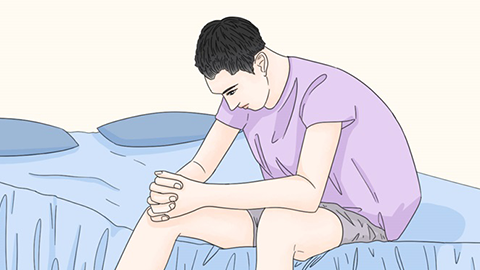
While aphrodisiacs may offer some short-term benefits, their use is generally not recommended. Western medications act quickly but often cause significant side effects and fail to address the underlying cause. In contrast, traditional Chinese medicine (TCM) aims at fundamental, long-term treatment—symptoms typically do not recur after discontinuation. During TCM therapy, patients should avoid alcohol and refrain from excessive sexual activity. Should any adverse symptoms arise, prompt medical consultation is essential.
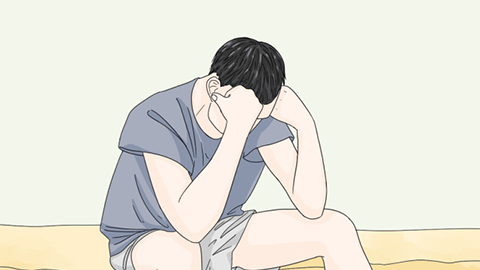
Most individuals resort to aphrodisiacs due to erectile dysfunction (ED). To treat ED effectively, it is crucial to identify its root cause. If ED stems from prostatitis, anti-inflammatory treatment is required. If caused by declining sex hormone levels, hormone replacement therapy may be indicated. If attributable to neurovascular disorders, treatment targeting nerve or vascular repair is necessary. Generally, once appropriate targeted therapy is initiated, symptoms significantly improve within four to eight weeks. We hope this information proves helpful to you.







