


What Are the Symptoms of Sinusitis?
Apr 21, 2022
Source: Cainiu Health

Dr. Xu Gang
Introduction
Sinusitis is generally classified into two types: acute sinusitis and chronic sinusitis. Acute sinusitis often develops secondary to worsening of other symptoms, such as chills and fever, malaise, nasal congestion, purulent nasal discharge, localized pain, and headache. In contrast, symptoms of chronic sinusitis are typically milder and commonly include rhinorrhea, olfactory dysfunction, headache, insomnia, and impaired memory.
Sinusitis is a relatively common condition today. When sinus inflammation occurs, patients may experience olfactory dysfunction, purulent discharge, and nasal obstruction, among other symptoms. What are the typical symptoms of sinusitis?
What Are the Symptoms of Sinusitis?
Sinusitis is generally classified into two types: acute and chronic. Acute sinusitis often develops secondary to worsening of other conditions and commonly presents with chills, fever, malaise, nasal congestion, purulent nasal discharge, localized pain, and headache. Chronic sinusitis typically causes milder symptoms, including rhinorrhea, olfactory impairment, headache, insomnia, and memory decline. Diagnosis—distinguishing between acute and chronic forms—can be made through clinical evaluation, nasal endoscopy, or sinus CT imaging, especially in severe cases. Treatment is then tailored according to the specific symptoms.
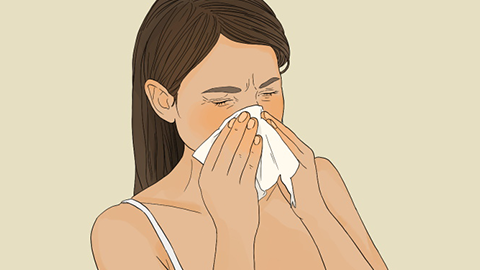
Patients with sinusitis should understand that this condition primarily arises from edema of the nasal mucosa, attributable to its anatomical structure. Nasal endoscopy is often performed to assess for nasal polyps; surgical removal may be indicated if polyps are present. Additionally, pharmacologic treatment may be employed—for instance, antifungal or antibiotic therapy if a fungal or bacterial infection is confirmed. Maintaining nasal hygiene is also essential.
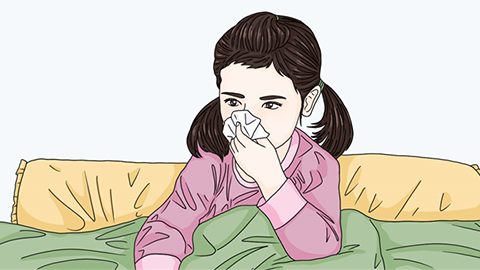
Male patients diagnosed with sinusitis should avoid smoking, as nicotine in tobacco smoke irritates the nasal mucosa, exacerbating swelling and delaying recovery.




