


When should the measles vaccine be administered?
Apr 21, 2022
Source: Cainiu Health

Dr. Huang Wenxiang
Introduction
Measles is an acute, systemic, exanthematous infectious disease caused by the measles virus and is classified as a Category B notifiable infectious disease in China. The primary clinical manifestations of measles include Koplik’s spots (measles mucosal spots) in the oral cavity and maculopapular skin rash, accompanied by fever, cough, rhinorrhea (catarrhal symptoms), and conjunctivitis. The most effective method for preventing measles is vaccination with the measles vaccine. The measles vaccine contains a live attenuated measles virus propagated in chicken embryo cells.
The measles vaccine is one of the most effective preventive measures against measles. Measles vaccination is part of China’s national immunization program and is provided free of charge to children. So, when should the measles vaccine be administered?
When Should the Measles Vaccine Be Administered?
According to the standard immunization schedule, the first dose of the measles vaccine is recommended at 8 months of age. Vaccination should be postponed if the child has a fever, an active infection, or any other illness; it should only be administered after the child has fully recovered.
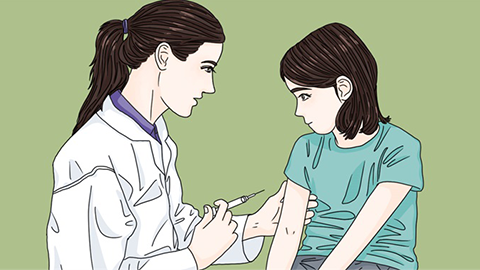
Measles is an acute, systemic, exanthematous infectious disease caused by the measles virus and is classified as a Category B notifiable infectious disease under Chinese law. Its hallmark clinical features include Koplik’s spots (small white lesions on the buccal mucosa) and a characteristic maculopapular rash, accompanied by fever, cough, coryza (runny nose), and conjunctivitis. The most effective method for preventing measles is vaccination. The measles vaccine is a live attenuated vaccine prepared by cultivating attenuated measles virus in chicken embryo cells, followed by complex propagation, harvesting of the viral suspension, and subsequent lyophilization.
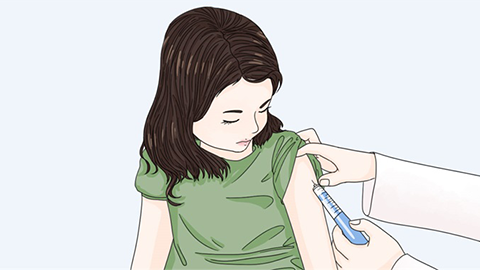
It is generally advised to avoid bathing or engaging in strenuous physical activity within 24 hours after vaccination to prevent water or sweat from contaminating the injection site. Dietary restrictions also apply: spicy, irritating, cold, or allergenic foods should be avoided, as they may exacerbate post-vaccination discomfort. If adverse reactions occur following vaccination, there is usually no need for alarm, as most symptoms resolve spontaneously within 1–2 days. However, if symptoms persist or worsen, prompt medical evaluation and management are recommended. We hope this information has been helpful!






