


Does paronychia treatment hurt?
Apr 21, 2022
Source: Cainiu Health

Dr. Liu Wan
Introduction
Paronychia is caused by skin damage due to friction, followed by bacterial infection. Pain may occur during treatment; therefore, meticulous post-treatment care is essential to prevent recurrence. Maintain good foot hygiene, wear loose-fitting shoes, and trim nails regularly. Additionally, schedule regular follow-up visits and communicate promptly with your physician.
Paronychia most commonly affects the toenails. Some individuals lack a thorough understanding of this condition and therefore remain uncertain about appropriate treatment options. A common question is: “Does paronychia treatment hurt?”
Does paronychia treatment hurt?
Paronychia results from skin injury caused by friction, followed by bacterial infection. Pain may be experienced during treatment. Therefore, meticulous post-treatment care is essential to prevent recurrence. Maintain good foot hygiene, wear loose-fitting shoes, and trim nails regularly. Additionally, schedule regular follow-up visits and communicate openly with your physician.
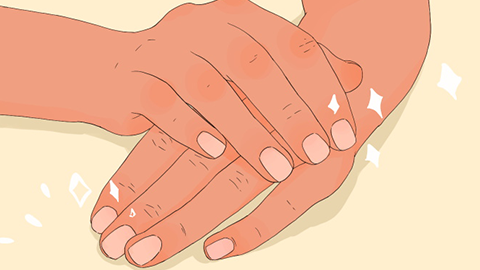
Symptoms of paronychia vary depending on its type. There are two main forms: acute and chronic. Mild cases may present with localized redness, swelling, warmth, pain, and tenderness—symptoms that may resolve spontaneously. Children with compromised immune systems are particularly susceptible to acute paronychia.
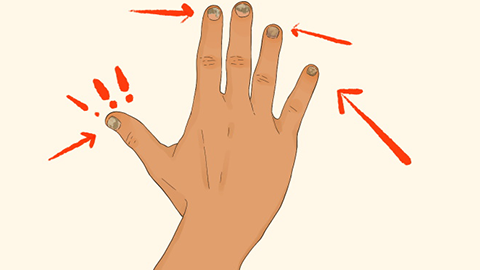
Paronychia is an infection involving the nail fold and surrounding tissue. It typically arises from localized infection following minor trauma such as a splinter, hangnail, or overly deep nail trimming. Staphylococcus aureus is the most common causative pathogen. In daily life, ill-fitting footwear or untreated toe fractures—especially without anti-inflammatory intervention—can predispose individuals to bacterial infection and subsequent paronychia. When a toe sustains bruising or develops an abscess, impaired blood flow beneath the nail compromises healing capacity and reduces self-repair ability, potentially progressing to chronic paronychia or even chronic osteomyelitis. Moreover, patients with naturally sweaty feet, poor foot ventilation, and consistently damp, hot footwear create an ideal environment for bacterial proliferation, further increasing the risk of paronychia. We hope this information proves helpful.



