


Menopausal Symptoms in Women and Their Management
Apr 22, 2022
Source: Cainiu Health

Dr. Cao Ting
Introduction
Women enter menopause primarily due to declining ovarian function and reduced estrogen levels, leading to corresponding clinical symptoms such as hot flashes, excessive sweating, menstrual irregularities, insomnia, vivid dreams, and cardiovascular symptoms—including palpitations, chest tightness, and shortness of breath. Some individuals develop osteoporosis and experience generalized body aches. Additionally, decreased estrogen levels may lead to reduced libido in some women.
Every woman experiences menopause. Upon entering this stage, the body undergoes various menopausal symptoms. If these symptoms are severe, timely management is essential. What are the common symptoms of menopause in women—and how can they be managed?
Symptoms of Menopause in Women and Their Management
Menopause primarily results from declining ovarian function and reduced estrogen levels, leading to a range of clinical manifestations—including hot flashes, excessive sweating, menstrual irregularities, insomnia, vivid dreams, and cardiovascular symptoms such as palpitations, chest tightness, and shortness of breath. Some women may also develop osteoporosis and experience generalized body aches.
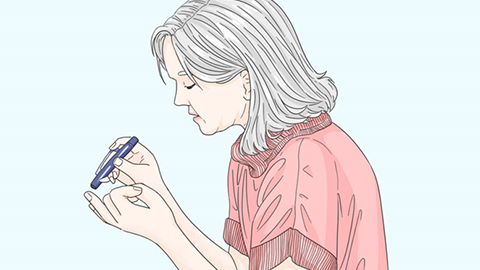
Additionally, decreased estrogen levels may lead to diminished libido in some women. Others may exhibit emotional changes—such as heightened irritability, increased sensitivity, anger, or mood swings. Clinically, the primary dietary management strategy involves consuming foods rich in phytoestrogens, including soy milk, royal jelly, honey, onions, and black beans. Regular intake of these foods may help alleviate menopausal symptoms. If symptoms persist despite dietary adjustments, pharmacological interventions may be considered.
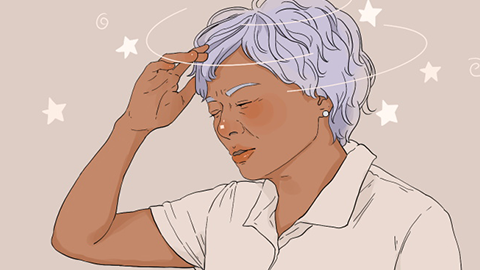
During menopause, women should adopt ovarian health maintenance strategies to slow ovarian decline. Calcium supplementation is also recommended, alongside regular physical exercise and increased outdoor activity—such as square dancing or walking. These activities promote systemic blood circulation and enhance overall physical fitness. We hope this information proves helpful to you.





