


Can dyshidrotic eczema on the hands heal spontaneously?
Apr 24, 2022
Source: Cainiu Health

Dr. Liu Wan
Introduction
Dyshidrotic eczema on the hands typically does not resolve spontaneously and generally requires both topical and systemic medication. Dyshidrotic eczema is a dermatological condition that commonly affects the palms of the hands and soles of the feet. It is often associated with excessive moisture on the skin and may also be triggered by psychological stress leading to dysfunction of the nervous system. Frequent contact with nickel and chromium commonly induces dyshidrotic eczema.
During summer, some individuals develop numerous small blisters on their hands, which are intensely itchy. After the blisters rupture, the affected skin gradually becomes dry and begins to peel. When this occurs, pompholyx (dyshidrotic eczema) should be the primary consideration. So, does pompholyx on the hands resolve spontaneously?
Does Pompholyx on the Hands Resolve Spontaneously?
Pompholyx on the hands typically does not improve without intervention and generally requires both topical and systemic treatment. Pompholyx is a dermatological condition commonly affecting the palms and soles. It is often associated with excessive skin moisture and may also result from stress-induced nervous system dysfunction. Frequent exposure to nickel and chromium can trigger this condition. Typical symptoms include localized pruritus (itching), burning pain, and occasionally blister rupture. Spontaneous resolution is uncommon; effective treatment usually requires both topical medications and oral therapy.
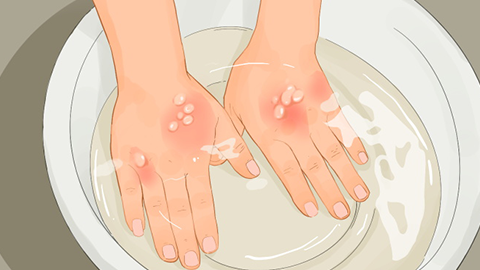
Patients with pompholyx on the hands may consider pharmacological management—for example, oral vitamin B6 tablets or gamma-oryzanol tablets, or topical application of erythromycin ointment or salicylic acid ointment—most of which effectively relieve itching. Importantly, avoid scalding the affected area with hot water, as this may exacerbate the condition and complicate treatment.
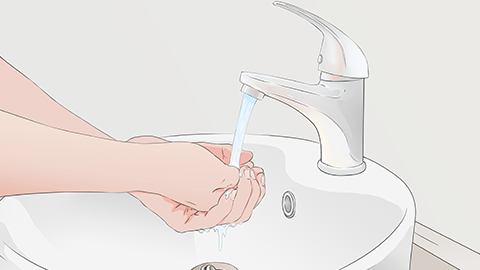
During treatment, patients should avoid spicy and greasy foods—such as spicy wheat sticks or sour-spicy rice noodles—as these may interfere with therapeutic efficacy. We hope this information proves helpful!




