


What is the maximum age for receiving the herpes vaccine?
Dec 01, 2025
Source: Cainiu Health

Dr. Liu Wenmin
Introduction
Currently, most mainstream vaccines target individuals aged 50 and above, as immunity tends to decline in this age group, increasing the risk of herpes zoster virus infection. Vaccination can effectively reduce the likelihood of developing the disease and its complications. Some regions or vaccine brands do not impose strict upper age limits, but for individuals over 80 years old, a healthcare provider must assess their health status before deciding whether vaccination is appropriate.
Generally, the maximum recommended age for vaccination varies among different types of herpes vaccines. The shingles vaccine is primarily recommended for individuals aged 50 and above. For herpes simplex vaccines, there is currently no uniform upper age limit, but eligibility should be determined based on individual health conditions. If in doubt, it is advisable to consult a healthcare provider in advance. Detailed analysis is as follows:
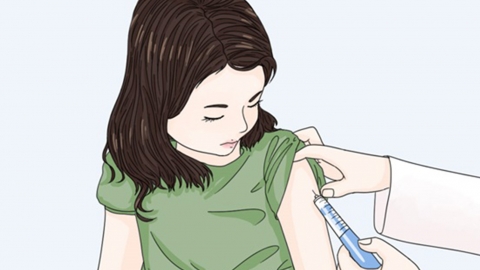
Mainstream vaccines are mostly targeted at individuals aged 50 and older, as immunity tends to decline in this age group, increasing the risk of varicella-zoster virus infection. Vaccination can effectively reduce the likelihood of developing shingles and its complications. Some regions or vaccine brands do not impose strict upper age limits; however, individuals over 80 years old should have their health status evaluated by a physician before vaccination.
These vaccines are relatively less commonly used, and there is currently no widely established upper age limit. Adults with a history of frequent recurrent herpes simplex infections or those with weakened immune systems may consult their doctors about vaccination. The doctor will assess factors such as age, underlying medical conditions, and immune status to determine whether vaccination is appropriate, ensuring both safety and effectiveness.
Prior to vaccination, individuals should inform their doctor of any history of allergies, pre-existing medical conditions, and current medications. After vaccination, they should remain under observation at the clinic for approximately 30 minutes and only leave if no adverse reactions occur. If severe symptoms such as significant swelling, fever, or other discomfort develop after vaccination, individuals should promptly contact the vaccination center or seek medical attention.



