


Are Bowlegs Hereditary?
Apr 25, 2022
Source: Cainiu Health

Dr. Lin Yunfei
Introduction
Bowlegs are generally not hereditary. Also known as “O-shaped legs,” bowlegs typically result from imbalances in the ligaments of the lower limbs or abnormalities in skeletal structure—not from genetic abnormalities. Therefore, bowlegs are generally not inherited. If caused by an imbalance in joint ligament strength, appropriate ligament-strengthening exercises and corrective balance training—under the guidance of a physical therapist—can help alleviate the condition.
Bow-leggedness (genu varum) is a common condition encountered in daily life. Once it develops, it often troubles many young adults—primarily due to concerns that the condition may be inherited by their children. Is bow-leggedness hereditary?
Is bow-leggedness hereditary?
Bow-leggedness is generally not hereditary. Also known as “O-shaped legs,” it typically results from imbalances in lower-limb ligaments or structural abnormalities of the bones—not from genetic abnormalities. Therefore, bow-leggedness is usually not passed on genetically. If caused by ligamentous imbalance, appropriate ligament-strengthening exercises and corrective balance training—under the guidance of a physical therapist—can help alleviate the condition.

If the cause is skeletal abnormality—often stemming from childhood calcium or vitamin D deficiency, leading to abnormal calcium-phosphorus metabolism—resulting in bowing of the legs, mild cases may be corrected through calcium and vitamin D supplementation, possibly aided by orthotic braces; severe cases may require surgical correction.
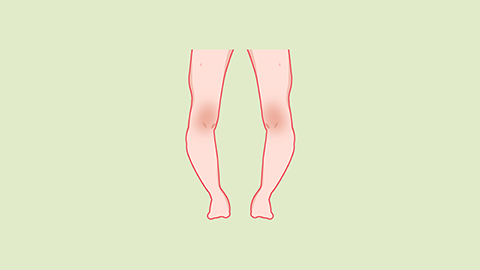
There are numerous causes of bow-leggedness. Mild physiological bowing present shortly after birth, or improper use of diapers, may exacerbate the deformity—but such mild deformities often self-correct spontaneously during growth. Other contributing factors include osteomalacia (commonly rickets), bone injuries (e.g., epiphyseal injuries or proximal tibial fractures), medial thinning of articular cartilage (common in elderly patients with osteoarthritis), and lateral knee ligament elongation (common among equestrians). During treatment, parents should maintain a positive, optimistic mindset—avoiding excessive anxiety or irritability. We hope this information proves helpful!






