


What ointment should be used for eczema on the hands?
Apr 25, 2022
Source: Cainiu Health

Dr. Liu Wan
Introduction
Topical medications for eczema include tacrolimus ointment, pimecrolimus cream, urea cream, corticosteroid ointments, and calamine lotion. Please use these medications strictly as prescribed by your physician.
In daily life, maintain proper skin care, follow a balanced diet, and consume light, bland foods—avoid spicy and irritating foods. Additionally, strive to maintain a positive and relaxed mood, and avoid negative emotions. It is highly recommended that you undergo allergy testing to identify potential allergens and subsequently avoid exposure to them.
In daily life, developing eczema on the hands can cause considerable inconvenience and discomfort, prompting many to seek treatment with topical ointments. So, what ointments are effective for hand eczema?
Which topical ointments are used for hand eczema?
Topical treatments for eczema include tacrolimus ointment, pimecrolimus ointment, urea cream, corticosteroid ointments, and calamine lotion. It is recommended that you use these medications strictly as prescribed by your physician. In addition, maintain proper daily skin care: follow a balanced diet rich in light, bland foods, and avoid spicy or irritating foods. Also, strive to maintain emotional well-being and avoid stress or negative emotions. Ideally, undergo allergy testing to identify potential allergens and subsequently avoid exposure to them.

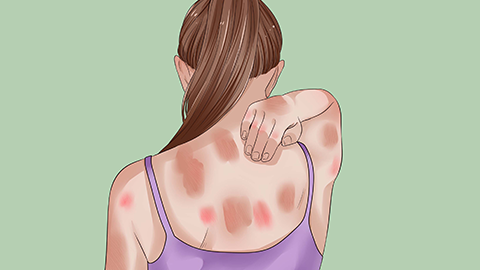
Hand eczema typically presents subacutely or chronically, commonly affecting the dorsal aspects of fingers, palmar surfaces of fingertips, dorsum of hands, and wrists. Clinical manifestations include papules, papulovesicles, bullae, and erythematous plaques with ill-defined borders; alternatively, lesions may appear rough, thickened, and hyperkeratotic. Fissuring is especially common during winter months. Swelling around the nail folds and irregular nail thickening—often accompanied by surface ridging or pitting—may also occur. Hand eczema must be differentiated from tinea manuum (hand dermatophytosis), which usually presents unilaterally and lacks prominent keratosis, lichenification, or infiltration. Due to frequent exposure to external irritants, hand eczema tends to fluctuate in severity and is often chronic and refractory to treatment. Clinically, patients are advised to minimize contact with alkaline irritants such as laundry detergents, soaps, and other cleaning agents. Hand eczema is frequently triggered by allergic reactions; therefore, identifying specific allergens through professional testing—and implementing appropriate anti-allergic therapy—is essential to prevent recurrence. Topical medications may be used judiciously to alleviate symptoms. Maintain local hygiene, avoid scratching, observe dietary restrictions—including avoidance of spicy, stimulating, and seafood-based foods—and instead consume light, nutritious meals such as fresh vegetables and fruits. Drink ample water, ensure adequate and regular sleep (avoid staying up late), and maintain a positive, relaxed mental state.
Hand eczema can significantly impact daily activities and should therefore be treated promptly. We hope this information proves helpful to you.



