


Can people with diabetes drink cranberry juice?
Apr 27, 2022
Source: Cainiu Health

Dr. Pan Yongyuan
Introduction
Medically, it is contraindicated for diabetic patients to consume this product. Specifically, the added bilberry component in Manmei fruit juice beverages contains a very high sugar content; ingestion by diabetic patients may trigger recurrent episodes of diabetes and even cause abnormalities in insulin secretion. Before taking this supplement, shake well to mix thoroughly.
In daily life, many people suffer from diabetes, which causes significant harm to their physical health and severely impacts their quality of life and work performance. Diabetic patients must carefully manage their diet and cannot eat freely; however, adequate caloric intake and comprehensive nutrition remain equally essential for them. So, can people with diabetes drink cranberry juice?
Can people with diabetes drink cranberry juice?
Medically speaking, cranberry juice is generally not recommended for individuals with diabetes. This is primarily because commercially available cranberry juice beverages often contain added sugars—particularly high sugar content derived from cranberry concentrate—which may trigger recurrent hyperglycemia and even disrupt normal insulin secretion. Before consuming such products, it is advisable to shake the bottle well. Consistent use over time may purportedly help rejuvenate vitality and slow cellular aging, thereby promoting a younger, healthier body.
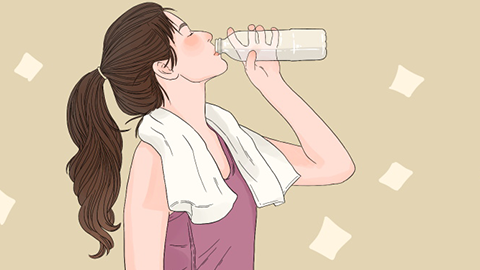
Dietary guidance for diabetic patients typically includes several key principles: limiting total daily caloric intake; maintaining appropriate proportions among the three major macronutrients—carbohydrates (staple foods), proteins (meat, eggs, dairy), and fats. Generally, staple food intake should be approximately 200–300 g (4–6 liang) per day, adjusted according to individual body composition: overweight or obese individuals may reduce intake to about 200 g (4 liang); those with average build may consume 250–300 g (5–6 liang); and underweight individuals may consume more freely. When selecting grains, aim for a balanced mix of coarse and refined cereals; avoid congee (rice porridge) and all grain-based soups, as well as pastries, sweets, and sugary beverages.
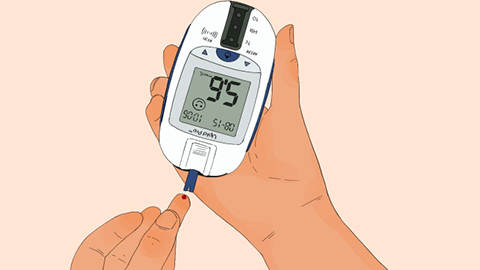
Patients should follow a light, low-fat, low-sugar diet, maintain adequate hydration, balance food intake with physical activity, and adhere strictly to prescribed medications—all aimed at achieving or maintaining a healthy body weight. We hope this information proves helpful to you!







