


What Are the Main Symptoms of Liver Disease?
Apr 27, 2022
Source: Cainiu Health

Dr. Jin Zhongkui
Introduction
Liver disease is a relatively broad concept that encompasses various hepatic conditions, including hepatitis, fatty liver disease, drug-induced liver injury, cirrhosis, and hepatocellular carcinoma. Clinical symptoms often vary depending on the specific disease; below are some common symptoms that may indicate hepatic pathology. First, discomfort or pain in the hepatic region: Among all symptoms of liver disease, hepatic region discomfort and pain are relatively specific and commonly occur in hepatitis and cirrhosis.
In daily life, some people occasionally experience discomfort in the liver region and wonder whether they might have liver disease. What are the main symptoms of liver disease?
What Are the Main Symptoms of Liver Disease?
“Liver disease” is a broad term encompassing various hepatic conditions—including viral hepatitis, fatty liver disease, drug-induced liver injury, cirrhosis, and hepatocellular carcinoma. Clinical manifestations vary depending on the specific disease; however, the following are common symptoms that may indicate underlying liver pathology.
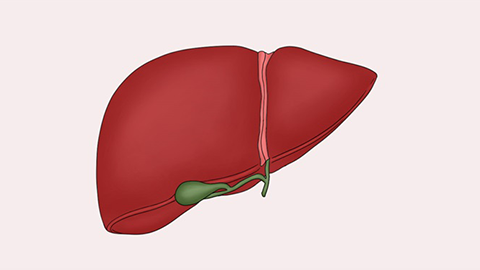
First, discomfort or pain in the right upper quadrant (liver area) is relatively specific among liver disease symptoms and commonly occurs in patients with hepatitis, cirrhosis, or liver cancer. In hepatocellular carcinoma, progressive enlargement of the tumor compresses the liver capsule, leading to progressively worsening pain. Second, gastrointestinal symptoms are the most frequent manifestations—such as nausea, aversion to greasy foods, vomiting, and loss of appetite. Third, systemic symptoms may appear, including fatigue, easy exhaustion, and a tendency toward bleeding. Some patients develop jaundice of varying severity, characterized by yellowing of the eyes, dark urine, and yellowish skin discoloration, often accompanied by pruritus (itching).
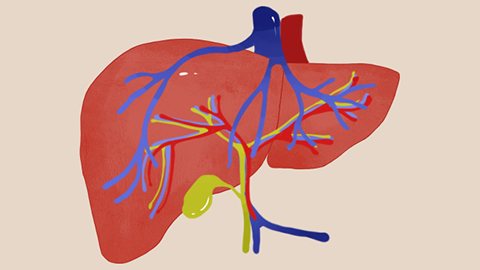
Lastly—and most severely—is ascites (abdominal fluid accumulation), typically observed in advanced stages of liver disease. For example, the development of ascites in cirrhosis signifies progression to the decompensated phase. If any of these symptoms arise, prompt medical evaluation at a hospital is strongly recommended, followed by appropriate management under physician guidance. We hope this information proves helpful!




