


Why do a newborn’s sclera appear slightly yellow?
Apr 27, 2022
Source: Cainiu Health

Dr. Xie Zixing
Introduction
Slight yellowing of the sclera (white part of the eye) in newborns is primarily caused by the following factors. First, neonatal hepatitis—such as infection with cytomegalovirus (CMV) or hepatitis B virus (HBV)—can impair hepatic function, leading to hepatitis and subsequent scleral icterus. For this condition, antiviral therapy is administered alongside hepatoprotective treatment for the newborn.
In daily life, we sometimes notice that a newborn’s sclera (the “white” of the eye) appears slightly yellow, which can cause significant psychological stress and concern about the child’s future development. So, what causes yellowing of the sclera in newborns?
What Causes Scleral Yellowing in Newborns?
Mild scleral yellowing in newborns is primarily attributable to the following causes. First, it may result from neonatal hepatitis—specifically, infection with cytomegalovirus (CMV) or hepatitis B virus (HBV). These viruses impair hepatic function, leading to hepatitis and subsequent scleral icterus (yellowing). Management involves antiviral therapy alongside hepatoprotective measures for the newborn.
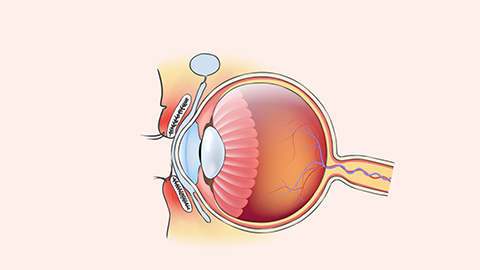
Second, scleral yellowing may occur in newborns with jaundice—particularly hemolytic jaundice or jaundice secondary to biliary atresia. In such cases, both the sclera and skin appear markedly yellow. Treatment typically includes phototherapy (blue light irradiation) and, when indicated, exchange transfusion. Once serum bilirubin levels decline, the yellow discoloration of the sclera resolves.

Additionally, prompt treatment is critical: without timely intervention, affected infants are at risk for serious sequelae—including sensorineural hearing loss and neurodevelopmental impairment (e.g., intellectual disability). Therefore, if scleral yellowing is observed, parents should seek immediate medical evaluation and follow evidence-based management guided by a qualified healthcare provider. We hope this information is helpful!






