


How to Exercise with Lumbar Disc Herniation
Apr 28, 2022
Source: Cainiu Health

Dr. Lin Yunfei
Introduction
Exercises for lumbar disc herniation: The patient lies prone on a firm board bed, with both arms extended alongside the body. The head, shoulders, and arms are lifted upward and backward, while simultaneously lifting both legs straight upward. After lifting, the patient relaxes and lowers the limbs back down. Repeat this exercise 10 times per session.
Another method: The patient lies supine on a firm board bed, flexing the hips and knees, and supports the body on five points—the head, both feet, and both hands.
Lumbar disc herniation is a very common condition that poses significant risks to physical health and substantially impairs daily life. It warrants serious attention. So, how should patients with lumbar disc herniation exercise?
Exercise Recommendations for Lumbar Disc Herniation
One recommended exercise involves the patient lying prone on a firm mattress. With arms extended alongside the body, the patient lifts the head, shoulders, and arms upward and backward while simultaneously extending and lifting both legs upward—creating a posture resembling a flying swallow. After holding this position briefly, the patient relaxes and lowers the body back down. Repeat this movement 10 times per session. Another effective method requires the patient to lie supine on a firm mattress, then flex both elbows, hips, and knees simultaneously. Using the head, both feet, and both hands as five supporting points, the patient places palms under the lower back and arches the lumbar spine upward. After practicing consistently for a period, the patient may progress to a more advanced variation: placing both arms across the chest (flexed at the elbows) and performing the same arching motion using only the head and both feet as three supporting points. Perform 10 repetitions per session. These exercises effectively alleviate lumbar fatigue and soreness.
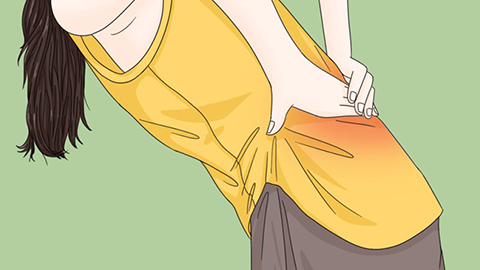
Conservative management is the primary treatment approach for lumbar disc herniation, with bed rest being the cornerstone. Patients may also lie supine on a flat bed, straighten one leg, and slowly raise it to its highest comfortable position; then draw the toes toward the body (dorsiflexion), holding for five seconds before lowering. Repeat this sequence 10 times for each leg. Alternatively, patients may lie prone and extend both arms backward while lifting both legs upward to assume the “swallow flight” position—this helps relieve low-back pain and discomfort associated with disc herniation.
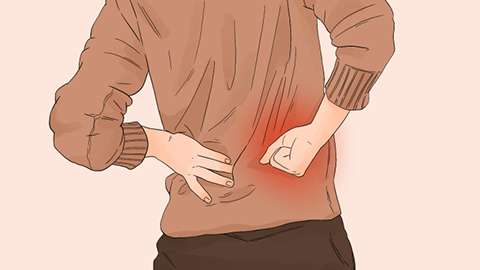
Adopting healthy daily habits is essential—avoid strenuous or high-impact activities. In severe cases, prompt medical consultation is strongly advised. We hope this information proves helpful. Wishing you optimal health and a joyful life!





