


What should be done for asthma triggered by allergic rhinitis?
May 05, 2022
Source: Cainiu Health

Dr. Guo Xiheng
Introduction
Asthma triggered by allergic rhinitis may be managed with inhaled albuterol, which effectively liquefies sputum and alleviates wheezing. For cough, compound methoxyphenamine capsules or doxofylline tablets can be used to promote expectoration. Concurrently, active treatment of allergic rhinitis symptoms is essential. Ebastine tablets are commonly used in clinical practice; alternatively, montelukast sodium tablets may be prescribed. With appropriate and proactive therapy, the patient’s condition should gradually improve.
Allergic rhinitis can trigger asthma; therefore, timely medical evaluation and treatment at a hospital are essential. Concurrent management of both upper and lower airway disease is recommended. Crucially, individuals with allergic rhinitis must avoid known allergens. What should be done when asthma is triggered by allergic rhinitis?
Management of Asthma Triggered by Allergic Rhinitis
For asthma induced by allergic rhinitis, inhaled albuterol may be considered to effectively loosen mucus and relieve wheezing. For cough, compound methoxyphenamine capsules or doxofylline tablets may help reduce mucus production. Simultaneously, active treatment of allergic rhinitis symptoms is mandatory. Ebastine tablets are commonly used in clinical practice; alternatively, montelukast sodium tablets may be prescribed. With appropriate therapy, clinical improvement is typically observed over time. If wheezing is particularly severe, hospitalization for further evaluation and management may be necessary, and systemic corticosteroids may be considered when indicated. In daily life, regular physical exercise to enhance overall immunity and reduce the incidence of allergic diseases is critically important.
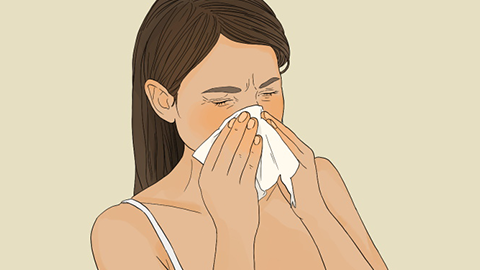
Allergic rhinitis can lead to allergic asthma. Primary therapeutic strategies include allergen avoidance, pharmacotherapy, and allergen-specific immunotherapy (desensitization). Immunotherapy may be administered via subcutaneous injection or sublingual administration; however, it requires a prolonged treatment course—typically 2–3 years.

Patients with allergic rhinitis should wear masks when outdoors—especially those sensitive to cold air. Oral antihistamines may be prescribed for rhinitis management. For asthma treatment, if patients exhibit overt asthma symptoms, oral or inhaled anti-allergic and bronchodilator medications should be administered, leading to symptom relief in most cases. We hope this information proves helpful!



