


Can people with diabetes drink jujube seed (Ziziphi Spinosae Semen) and poria (Poria cocos)?
May 06, 2022
Source: Cainiu Health

Dr. Pan Yongyuan
Introduction
Meals must be taken regularly three times a day. Even minor dietary errors can cause blood glucose levels to rise or fall, thereby adversely affecting health. A low-protein diet is recommended, as diabetes frequently coexists with diabetic nephropathy; excessive protein intake increases the burden on the kidneys. Diabetic patients should consume an appropriate amount of protein—ideally no more than 0.8 grams per kilogram of body weight per day.
In daily life, many people experience elevated blood glucose levels, which can harm the body and significantly impair quality of life and work performance. Individuals with high blood glucose must pay close attention to their diet, as food intake directly influences blood glucose levels. So, can individuals with diabetes consume jujube seed (Ziziphi Spinosae Semen) and poria (Poria cocos)?
Can individuals with diabetes consume jujube seed and poria?
These herbs primarily serve as adjunctive agents for blood glucose reduction. Jujube seed nourishes the liver, calms the heart, and alleviates spontaneous sweating; poria promotes diuresis, strengthens the spleen and stomach, and soothes the mind while improving sleep. It is recommended to use this herbal tea as a complementary therapy alongside prescribed antidiabetic medications or insulin injections—not as a replacement. Do not discontinue prescribed medications, and continue regular blood glucose monitoring.

Many diabetic patients believe that controlling only high-sugar foods suffices to manage blood glucose. However, in addition to avoiding high-sugar foods, maintaining overall healthy eating habits is equally crucial. Meals should be taken regularly and consistently—irregular or inappropriate eating patterns can cause blood glucose fluctuations, adversely affecting health. A low-protein diet is advisable, especially since diabetes frequently coexists with diabetic nephropathy; excessive protein intake increases renal burden. Diabetic patients should aim for moderate protein consumption—no more than 0.8 grams per kilogram of body weight per day.
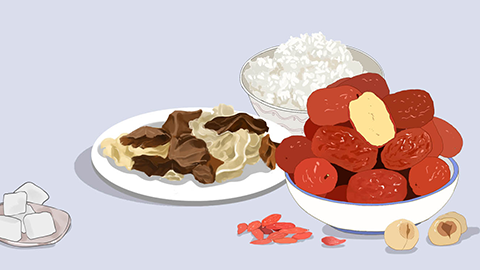
Adopt a pattern of eating smaller, more frequent meals throughout the day, and avoid overeating or binge eating. Regular physical activity is also essential, as it helps lower blood glucose levels and enhances immune function. We hope this information proves helpful to you!





