


How to Differentiate Skin Color Changes After Cupping
May 08, 2022
Source: Cainiu Health
Dr. Ding Yu
Introduction
If a healthy individual exhibits only faint, reddish marks after cupping therapy, the skin color typically returns to normal quickly.
If scattered petechiae or ecchymoses appear post-cupping, this often indicates Qi stagnation and Blood stasis.
If blisters or small droplets of fluid form at the cupped site, this commonly suggests that the patient has a relatively high degree of Dampness within the body.
If the local skin turns bluish-purple after cupping, this frequently indicates the presence of localized Blood stasis.
Cupping therapy is a traditional treatment method that uses cups or jars as tools. Heat is applied to expel air from the cup, creating negative pressure that causes the cup to adhere to the skin and induce localized ecchymosis (bruising).
The color changes observed on the skin after cupping correlate with the type and severity of underlying conditions. So, how can one interpret these post-cupping skin colorations?
Interpreting Post-Cupping Skin Coloration
In healthy individuals, cupping typically leaves only faint, transient reddish marks that quickly return to normal skin color. Dispersed petechiae or ecchymotic patches following cupping often indicate Qi stagnation and blood stasis. The appearance of small blisters or moisture droplets inside the cup commonly suggests pronounced internal dampness. Bluish-purple discoloration at the cupped site usually signifies local blood stasis. If the predominant hue is bluish-purple—especially when accompanied by petechiae, ecchymotic patches, or even dark purple areas—this generally indicates more severe and deeper-seated blood stasis.
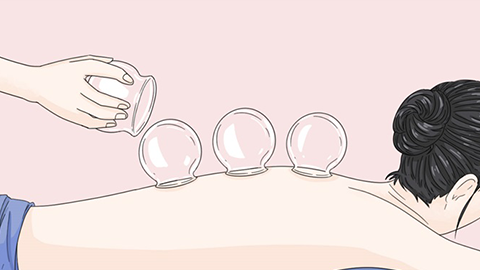
Cupping is a widely practiced therapeutic modality in daily life—not only for treating hundreds of internal and external disorders such as wind-cold bi syndrome (painful obstruction), fatigue, and dyspnea, but also for enhancing overall health and vitality. Consequently, it enjoys broad popularity among the general public. However, cupping is not suitable for everyone. Individuals considering cupping therapy are strongly advised to consult a qualified healthcare provider prior to treatment.

Cupping leaves characteristic marks on the body, with the local skin exhibiting varying colors. These distinct colorations often reflect different physiological states or pathological conditions. We hope this explanation proves helpful. Wishing you robust health and a happy life!



