


What does the color of cupping marks indicate?
Dec 12, 2025
Source: Cainiu Health

Dr. Sun Lianqing
Introduction
In general, the color of cupping marks varies and reflects different health conditions, with common colors including bright red, dark red, purple, light blue, grayish-white, etc. In addition, the color of cupping marks can be influenced by individual differences, so there is no need to be overly concerned about a single result. However, if abnormal mark colors persist over time or are accompanied by significant discomfort, medical attention should be sought promptly to evaluate one's health status based on specific circumstances.
Generally, the color of痧 (sha) marks from cupping therapy varies and reflects different health conditions. Common colors include bright red, dark red, purple, light bluish, grayish white, etc. The specific analysis is as follows:
1. Bright Red
Bright red sha spots often indicate the presence of heat pathogen in the body, possibly caused by recent consumption of spicy foods, emotional irritability, or external invasion of heat. Heat pathogen steaming the blood vessels leads to local congestion of qi and blood, resulting in bright red sha after cupping. This is often accompanied by heat-related symptoms such as dry mouth and sore throat.
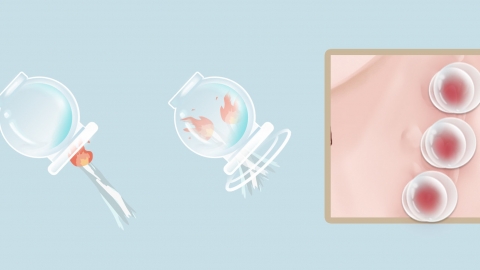
2. Dark Red
Dark red sha spots usually reflect blood stasis in the body, often due to prolonged poor circulation of qi and blood, leading to localized blood stagnation. This condition is commonly seen in individuals who sit for long periods or have a history of trauma. Internal blood stasis impairs local supply of qi and blood, causing the sha color to appear darker.
3. Purple
Purple sha spots typically indicate cold-induced blood stasis. Cold pathogens cause constriction of blood vessels and obstruct the flow of qi and blood, leading to deeper discoloration appearing purple. Individuals with this pattern often feel cold, have cold hands and feet, and experience more pronounced symptoms in cold environments.
4. Light Bluish
Light bluish sha spots suggest the presence of cold-dampness in the body. Dampness, being sticky in nature, impedes the normal flow of qi and blood, while cold causes contraction and stagnation of the channels. The combination of these factors results in poor circulation and a light bluish sha color. Such individuals often experience symptoms like heaviness in the body, sticky and unformed stools.
5. Grayish White
Grayish white sha spots generally indicate deficiency of qi and blood. Insufficient qi and blood result in weak propulsion and inadequate nourishment of the skin after cupping, leading to pale or grayish-white sha. These individuals often suffer from fatigue, pallor, low energy, and other signs of qi and blood deficiency.
In addition, the color of cupping-induced sha can vary due to individual differences, so a single occurrence does not necessarily warrant concern. However, if abnormal sha colors persist over time or are accompanied by significant discomfort, timely medical evaluation is recommended to determine the underlying health condition based on a comprehensive assessment.




