


The specific symptoms of shingles are
May 12, 2022
Source: Cainiu Health

Dr. Liu Wan
Introduction
Systemic symptoms. Herpes zoster can be divided into three stages; systemic symptoms occur during the prodromal stage. Prior to the onset of herpes zoster, patients may experience malaise, fever, and headache. A burning or aching sensation in the affected skin may persist for one to five days. Cutaneous lesions. Following the prodromal stage, characteristic skin lesions appear, manifesting as vesicles, papules, and other lesions of varying sizes.
Herpes zoster (shingles) is a common dermatological condition in clinical practice, caused by the varicella-zoster virus (VZV). It typically presents with an acute onset. Notably, VZV infection can lead not only to herpes zoster but also—particularly in children—to varicella (chickenpox); some individuals may become asymptomatic viral carriers without developing any clinical symptoms. So, what are the specific manifestations of herpes zoster?
Specific Symptoms of Herpes Zoster
Systemic symptoms: Herpes zoster progresses through three stages, and systemic symptoms commonly occur during the prodromal phase. Prior to the onset of the characteristic skin lesions, patients often experience malaise, fever, and headache. A burning or aching sensation over the affected skin area may persist for one to five days.
Skin lesions: Following the prodromal phase, distinct cutaneous lesions appear. These manifest as vesicles and papules of varying sizes; the vesicles contain fluid and are surrounded by prominent erythema.
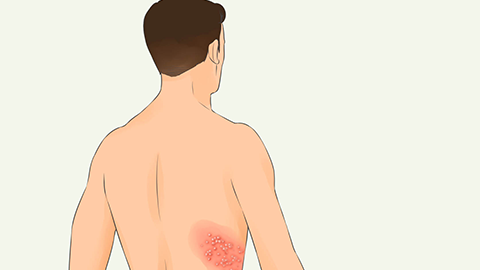
Lesions are distributed unilaterally along the course of a single sensory nerve, most frequently involving the intercostal nerves or cranial nerves, and characteristically follow a band-like (dermatomal) distribution. Within two weeks after vesicle formation, crusts develop, and the rash gradually resolves—often leaving residual scarring and post-inflammatory hyperpigmentation.
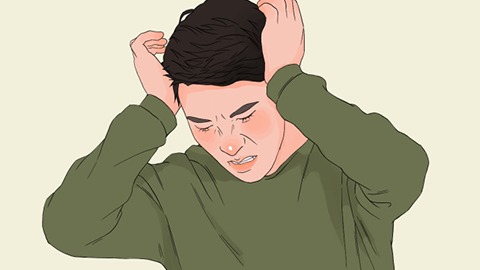
Neuralgia: In addition to the classic cutaneous rash, patients frequently experience neuropathic pain. The severity of pain varies widely and does not necessarily correlate with the extent of skin involvement. Generally, younger patients report milder pain, whereas older individuals often suffer more severe, even excruciating, pain. Importantly, neuralgic pain may persist long after the skin lesions have resolved.




