


What medication should be taken for nasal congestion without rhinorrhea?
May 12, 2022
Source: Cainiu Health

Dr. Wang Mingxuan
Introduction
Nasal congestion without nasal discharge can be managed with vitamin C chewable tablets or cold remedy granules, as this type of cold—characterized by congestion but no rhinorrhea—is typically a common cold and usually resolves within about one week. If symptoms are mild, medication is generally not recommended; instead, drinking ginger tea may help dispel cold pathogens and alleviate nasal congestion. During a cold, avoid spicy and irritating foods, as they may exacerbate the condition.
Each time the seasons change, many people—especially those with compromised immunity—develop influenza. Influenza is often accompanied by symptoms such as rhinorrhea (runny nose) and sneezing. So, what medications can be taken for nasal congestion without rhinorrhea?
What Medications Can Be Taken for Nasal Congestion Without Rhinorrhea?
For nasal congestion without rhinorrhea, vitamin C chewable tablets or common cold granules may be appropriate, as this presentation typically reflects a mild, ordinary cold that usually resolves spontaneously within about one week. If symptoms are mild, medication is generally not recommended; instead, drinking ginger tea to dispel cold pathogens may help alleviate nasal congestion. During a cold, avoid spicy and irritating foods, which may exacerbate symptoms.
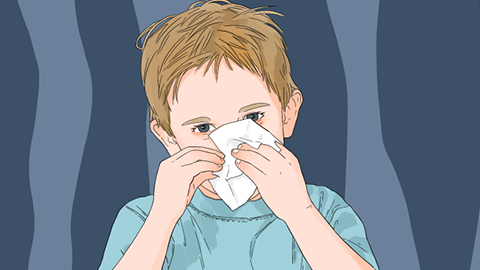
Nasal congestion without rhinorrhea is commonly caused by rhinitis—particularly chronic simple rhinitis or chronic hypertrophic rhinitis—which leads to isolated nasal obstruction and diminished olfaction. Allergic rhinitis may also cause nasal congestion and reduced sense of smell, along with scant nasal mucus.

Additionally, a deviated nasal septum can cause persistent nasal obstruction, often with absent or minimal nasal mucus. Nasal polyps, papillomas, and other tumors—including sinus cancer and other malignant nasal cavity neoplasms—may also result in nasal congestion. Wind-cold感冒 commonly presents with rhinorrhea, sneezing, nasal congestion, or thick yellow nasal discharge, whereas the described symptoms suggest wind-heat感冒. Regardless of whether the cold is wind-cold or wind-heat in nature, ensure the child drinks plenty of fluids and consumes ample fresh vegetables and fruits. We hope this information proves helpful!





