


What traditional Chinese patent medicines can be taken for anxiety?
May 12, 2022
Source: Cainiu Health

Dr. He Haochen
Introduction
Herbal formulas for alleviating anxiety disorders include Yueju Wan, Shugan Keli, Xiaoyao San, Jiawei Xiaoyao San, Qiyeshen’an Pian, Jiuzhen Zhenxin Keli, Ningshen Anzhi Wan, Jieyu Anshen Wan, and Xiexia Pian, among others. The selection of traditional Chinese medicine (TCM) preparations for anxiety disorders involves more than just prescription choice—it also requires individualized consideration of timing, dosage, and treatment duration. Thus, the above list represents the primary options available.
Anxiety is a relatively common symptom; many individuals with anxiety disorder experience impaired work performance, insomnia, loss of appetite, and adverse effects on their overall health. So, which traditional Chinese patent medicines can be used for anxiety?
Traditional Chinese Patent Medicines for Anxiety
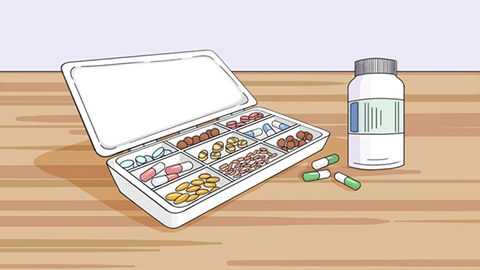
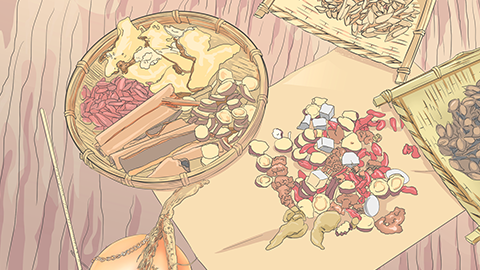
To alleviate anxiety disorder, commonly used traditional Chinese patent medicines include Yueju Wan (Relieving Depression Pill), Shugan Keli (Liver-Soothing Granules), Xiaoyao San (Free-and-Easy Wanderer Powder), Jiawei Xiaoyao San (Augmented Free-and-Easy Wanderer Powder), Qiyeshen’an Pian (Polygala and Valerian Tablets), Jiuwei Zhenxin Keli (Nine-Ingredient Calming Heart Granules), Ningshen Anzhi Wan (Calming the Kidneys and Stabilizing the Mind Pills), Jieyu Anshen Wan (Depression-Relieving and Spirit-Calming Pills), and Xiexia Pian (Purgative Tablets), among others. Treatment with traditional Chinese patent medicines for anxiety is not merely a matter of prescription selection—timing of administration, dosage, and treatment duration must all be individualized. Therefore, while the above list represents common options, these medications should only be taken under the guidance of a qualified physician. For specific dosing instructions, please refer to the product labeling or follow your physician’s advice at a reputable medical institution.
Patients experiencing acute anxiety attacks may suffer severe sensations of suffocation, impending doom, or loss of mental control. Such episodes are often accompanied by pronounced autonomic nervous system dysfunction. Common symptoms include chest pain, tachycardia, dyspnea, headache, dizziness, paresthesia, diaphoresis, abdominal pain, tremors, and other manifestations—occasionally even transient paralysis. Acute anxiety attacks typically onset abruptly and resolve relatively quickly, usually subsiding spontaneously within minutes. Following an acute episode, patients often remain fearful and apprehensive; however, prominent anxiety symptoms tend to subside, replaced instead by generalized weakness and fatigue. Gradual recovery generally occurs over several days.
In daily life, it is important to maintain emotional relaxation, avoid excessive mental stress, ensure adequate sleep, and cultivate healthy lifestyle habits. We hope this information proves helpful to you!



