What Causes Bleeding After Taking Emergency Contraception?
May 13, 2022
Source: Cainiu Health

Dr. Lv Aiming
Introduction
The fundamental cause of bleeding after taking emergency contraceptive pills is withdrawal bleeding resulting from ischemia, necrosis, and shedding of the endometrium. Under the influence of endogenous estrogen, the endometrium progressively proliferates; once it reaches a certain thickness, progesterone levels decline, prompting the endometrium to transition from the proliferative phase to the secretory phase. After taking emergency contraceptive pills, endogenous progesterone levels rise rapidly, driving the endometrium into the secretory phase.
Some women routinely take emergency contraceptive pills (ECPs) to prevent pregnancy. After taking these pills, some individuals may experience adverse effects, such as vaginal bleeding. What causes bleeding after taking emergency contraception?
What Causes Bleeding After Taking Emergency Contraception?
The underlying cause of post–emergency contraception bleeding is withdrawal bleeding resulting from ischemia, necrosis, and shedding of the endometrium. Under the influence of endogenous estrogen, the endometrium gradually proliferates. Once it reaches a certain thickness, progesterone levels decline, shifting the endometrium from the proliferative phase to the secretory phase. After taking emergency contraception, progesterone levels in the body rise rapidly, inducing the endometrium to enter the secretory phase. Subsequently, as the exogenous progestin is metabolized, its concentration drops sharply—depriving the endometrium of progesterone support—leading to endometrial necrosis, desquamation, and bleeding. This type of bleeding is relatively common following emergency contraceptive use and is classified as progesterone-withdrawal bleeding, resembling normal menstrual bleeding.
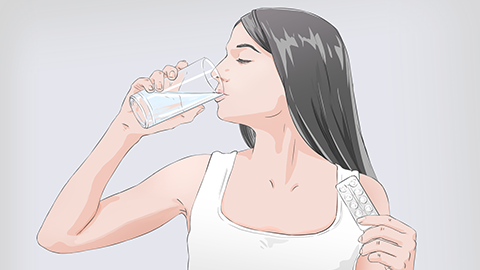
After taking emergency contraception, women should avoid eating for at least two hours to ensure optimal drug absorption and efficacy. Importantly, emergency contraception only prevents pregnancy from unprotected intercourse that occurred before taking the pill; therefore, unprotected sexual activity must be strictly avoided after administration. Common side effects may include abdominal pain, bloating, nausea, vomiting, and loss of appetite.
Therefore, during this period, it is advisable to maintain a light, bland diet and avoid spicy or irritating foods. Moreover, emergency contraception is not 100% effective; thus, if menstruation does not occur within one month after taking the pill, women should promptly seek medical evaluation to rule out unintended pregnancy. We hope this information has been helpful!