Can tinea manuum (hand fungus) spread to the face?
May 13, 2022
Source: Cainiu Health

Dr. Liu Wan
Introduction
Tinea manuum is a common infectious disease caused by dermatophytes; thus, it can spread to the face—primarily when the hands carry the fungus and subsequently come into contact with the face. Individuals with robust immune function have a lower risk of infection. In contrast, those with weakened immunity—such as individuals who are frequently bedridden—or those who already have tinea pedis (athlete’s foot) are more susceptible to facial infection during routine activities like washing the face, using towels, or applying facial moisturizers.
Tinea manuum (hand fungus) is a relatively common dermatological condition. In severe cases, it may cause pruritus (itching) and erythematous swelling of the skin, adversely affecting the patient’s daily life and work. Patients often worry that the infection might spread to their face, compromising facial aesthetics. So—can tinea manuum spread to the face?
Can tinea manuum spread to the face?
Tinea manuum is a common contagious fungal infection caused primarily by dermatophytes. Yes, it can spread to the face—typically via the hands, which carry the fungus and then come into contact with facial skin. Individuals with robust immune systems are less likely to become infected; however, those with weakened immunity—such as bedridden patients—or those who already have tinea pedis (foot fungus) are at higher risk. Infection may occur during routine facial hygiene activities, including washing the face, using towels, or applying facial moisturizers.
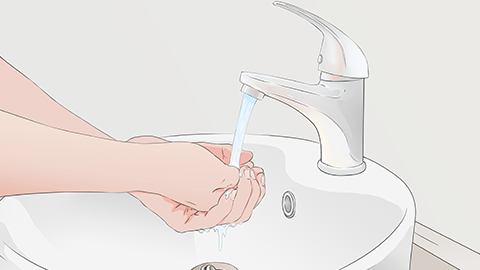
When facial involvement occurs, characteristic manifestations include annular erythematous plaques, pruritus, and positive fungal microscopy or culture. Therefore, prompt and thorough treatment of tinea pedis—and especially tinea manuum—is essential. Right-hand involvement poses particular risk, as people frequently touch their faces with their right hand—a well-recognized transmission pathway.

While certain types of tinea pedis are contagious, others are not. Tinea pedis refers to fungal infection of the feet and hands, most commonly caused by *Trichophyton rubrum*, though other pathogens—including *Escherichia coli* (note: this is likely an error; *E. coli* is not a typical cause of dermatophytosis; perhaps *Epidermophyton floccosum* was intended) and *Trichophyton mentagrophytes*—may also be involved. Tinea pedis is indeed contagious, and self-inoculation—via scratching—can readily spread the infection to other body areas. We hope this information is helpful!