


What medications are used to treat lumbar disc herniation?
May 13, 2022
Source: Cainiu Health

Dr. Lin Yunfei
Introduction
Medications for lumbar disc herniation can be categorized as follows:
Topical agents—used to treat lumbar disc herniation, lumbar muscle strain, and lower-limb pain—including topical analgesic plasters (e.g., Qizheng Analgesic Plaster), Voltaren (diclofenac gel), and Xueshan Jinluohan Analgesic Coating.
Topical traditional Chinese patent medicines—such as Tougucao (Herba Drynariae) and Shenjincǎo (Herba Sarcandrae)—can be used for fumigation and external washing, offering effective pain relief.
Lumbar disc herniation is extremely common in today’s society. Not only does this condition cause severe pain for patients, but it can also significantly impair work performance and overall quality of life. What medications are available for treating lumbar disc herniation?
What Medications Are Used to Treat Lumbar Disc Herniation?
Medications for lumbar disc herniation fall into several categories:
• Topical agents: Used for lumbar disc herniation, lumbar muscle strain, and lower-limb pain. Examples include topical analgesic plasters (e.g., Qizheng Analgesic Plaster), Voltaren (diclofenac) gel, and Xueshan Jinluohan Analgesic Coating. Traditional Chinese herbal topical preparations—such as fumigation and external washes containing herbs like *Herba Serratulae* (Tougucao) and *Herba Cnidii* (Shenjincǎo)—also demonstrate effective analgesic properties.
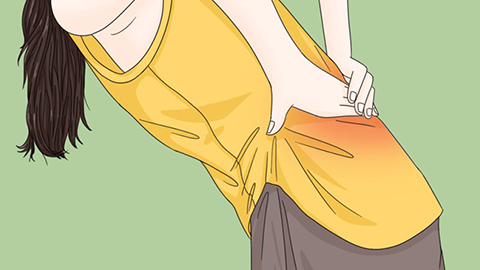
• Oral medications: Nonsteroidal anti-inflammatory drugs (NSAIDs) and analgesics—such as Voltaren (diclofenac) or Celebrex (celecoxib)—may be prescribed. Additionally, traditional Chinese patent medicines that promote blood circulation, resolve stasis, dispel cold, and relieve pain—including Xianling Gubao Capsules and Gujin Pills—are commonly used. Concurrently, oral mecobalamin may be administered to support nerve health. Intravenous therapy is another option: when herniated nucleus pulposus compresses spinal nerve roots, resulting in edema, intravenous infusion of mannitol combined with neurotrophic agents can effectively alleviate symptoms.

During treatment, patients should prioritize bed rest, avoid strenuous physical activity and overexertion, and maintain a balanced routine of work and rest. Regular follow-up visits to the hospital are essential to monitor recovery progress. We hope this information proves helpful to you!





