


Can “shanghuo” (excessive internal heat) cause nosebleeds?
May 13, 2022
Source: Cainiu Health

Dr. He Haochen
Introduction
“Excessive internal heat” (a traditional Chinese medicine concept) can lead to epistaxis (nosebleeds). This primarily occurs because excessive internal heat increases the fragility of the nasal mucosa, making nasal capillaries more prone to rupture and bleeding. Additionally, excessive internal heat often accelerates blood circulation and elevates vascular pressure—both of which further predispose nasal blood vessels to rupture and bleeding. Moreover, excessive internal heat can impair immune function.
With improvements in living standards, the variety of available foods has expanded dramatically—each one seemingly irresistible. Yet while indulging, our bodies may enter a state of “excess internal heat” (a traditional Chinese medicine concept). So, can “excess internal heat” cause epistaxis (nosebleeds)?
Can “Excess Internal Heat” Cause Epistaxis?
Yes, “excess internal heat” can indeed trigger epistaxis. This occurs primarily because such heat increases the fragility of the nasal mucosa, making capillaries in the nasal cavity more prone to rupture and bleeding. Additionally, “excess internal heat” often accelerates blood circulation and elevates vascular pressure—both factors that further predispose nasal blood vessels to rupture and bleed. The nasal mucosa is inherently one of the body’s relatively delicate tissues and thus particularly susceptible to injury and hemorrhage. Moreover, “excess internal heat” may impair immune function, increasing susceptibility to conditions such as rhinitis or the common cold. Bacterial proliferation within the nasal cavity under these circumstances can damage the nasal mucosa, ultimately leading to vascular rupture and epistaxis.
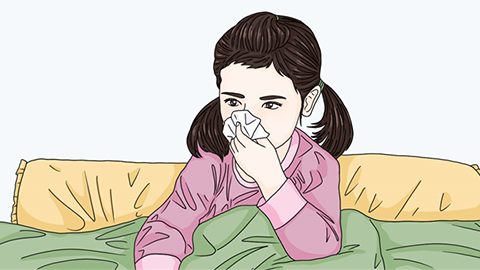
In clinical otolaryngology practice, numerous underlying causes may lead to epistaxis. For instance, a sudden rise in blood pressure, the presence of a nasal vascular tumor, or structural abnormalities such as deviated nasal septum can all provoke nosebleeds. Patients experiencing recurrent or unexplained epistaxis are advised to seek medical evaluation at a hospital, where diagnostic tests can help identify the precise etiology.
Epistaxis confers no health benefit—it is a pathological condition that can harm the body. Repeated episodes damage local nasal vasculature and may result in long-term complications, including recurrent nosebleeds. We hope this information proves helpful!



