Is drinking honeysuckle tea effective for “internal heat”?
May 15, 2022
Source: Cainiu Health

Dr. He Haochen
Introduction
Drinking honeysuckle tea is effective for alleviating “internal heat” (a traditional Chinese medicine concept). Honeysuckle tea helps relieve discomfort associated with internal heat. Due to its cold and cooling nature, honeysuckle primarily functions to disperse wind-heat and clear heat-toxins. Regular consumption of honeysuckle tea can alleviate symptoms of internal heat, such as swollen and painful gums, epistaxis (nosebleeds), dry mouth, flushed cheeks with accompanying body heat, and irritability. Although honeysuckle tea offers numerous health benefits, it should be consumed in moderation—excessive intake is not recommended.
Honeysuckle tea is a type of scented tea, made by scenting high-quality green tea with fresh honeysuckle flowers using the traditional “scenting” (xūn zhì) process. So, is honeysuckle tea effective for alleviating “internal heat” (a traditional Chinese medicine concept often associated with inflammatory or “heat-related” symptoms)?
Is honeysuckle tea effective for “internal heat”?
Yes, honeysuckle tea can be beneficial for relieving symptoms associated with “internal heat.” It helps alleviate discomfort such as swollen and painful gums, nosebleeds, dry mouth, flushed cheeks with accompanying body heat, and irritability—all common manifestations of excess internal heat. Honeysuckle is inherently cooling in nature and possesses properties that dispel wind-heat and clear heat-toxicity.
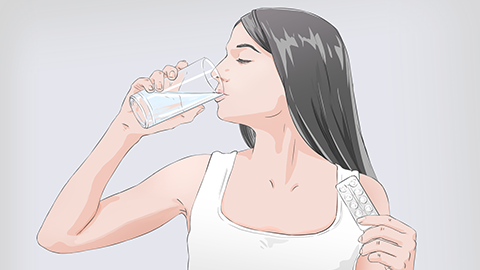
Due to its cold and cooling nature, honeysuckle may cause discomfort to the fetus; thus, pregnant women—whose constitutions are particularly sensitive—should avoid consuming honeysuckle tea indiscriminately, as it may trigger abdominal pain or diarrhea. Severe diarrhea could potentially stimulate uterine contractions and increase the risk of preterm labor. Patients with rheumatoid arthritis may experience joint swelling, pain, and restricted mobility after drinking honeysuckle infusion. Individuals with weak spleen-stomach function often present with qi and blood deficiency and impaired digestive function; since honeysuckle is relatively cold in nature, its consumption may further burden the spleen and stomach, exacerbating dysfunction and causing discomfort.
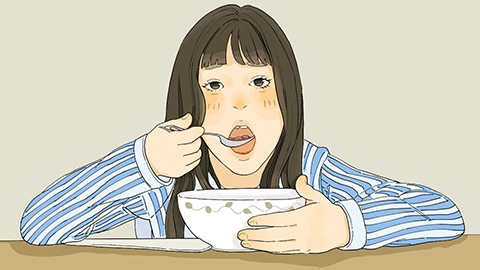
Although honeysuckle tea offers numerous health benefits, moderation is essential—excessive or prolonged intake should be avoided. Its cold nature, if accumulated over time due to long-term or excessive consumption, may impair normal organ function, leading to spleen-stomach deficiency-cold, potentially worsening existing conditions. As honeysuckle is a traditional Chinese medicinal herb, honeysuckle tea functions similarly to a herbal decoction. Therefore, it is advisable to use it only under the guidance of a qualified healthcare professional to prevent adverse effects. We hope this information has been helpful!