What Should You Do If a Two-Year-Old Toddler Experiences Nosebleeds Due to “Excess Heat”?
Jun 27, 2022
Source: Cainiu Health

Dr. Xie Zixing
Introduction
If your baby experiences nosebleeds, prompt hemostasis is essential to prevent blood clotting and nasal obstruction, which could impair breathing. Additionally, upon waking each day, you may gently encourage your baby to tilt their head upward for a few minutes to help alleviate symptoms—however, be sure to address internal heat (“fire”) by maintaining a light, bland diet. Excess internal heat in children is commonly caused by inappropriate dietary habits. It may also result from dryness of the respiratory tract due to internal heat, thereby triggering nosebleeds.
My nephew’s baby is two years old this year. While playing downstairs, the baby experienced a nosebleed. The grandmother said the child had “excessive internal heat” (a traditional Chinese medicine concept). She consulted about methods to address nosebleeds caused by excessive internal heat. So—what should be done when a two-year-old child experiences nosebleeds due to excessive internal heat?
What to Do When a Two-Year-Old Child Experiences Nosebleeds Due to Excessive Internal Heat
If your child experiences nosebleeds, prompt hemostasis (stopping the bleeding) is essential to prevent blood clotting and nasal obstruction, which could impair breathing. Additionally, upon waking each morning, gently encourage the child to tilt their head slightly upward for several minutes to help alleviate symptoms—but also ensure appropriate heat-clearing measures are taken and that the diet remains light and bland. Excessive internal heat in children is commonly attributable to unhealthy dietary habits. It may also cause dryness of the respiratory tract, nasal mucosal congestion, and subsequent nosebleeds. In such cases, the child should drink ample warm water and consume moderate amounts of fruits and vegetables to replenish vitamins and nutrients. Adequate rest is also important.
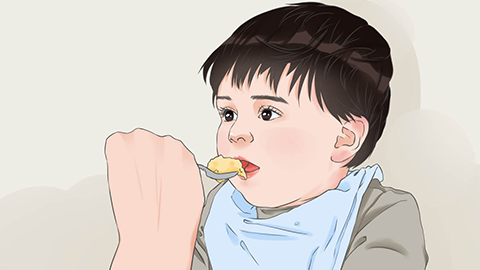
If the child has excessive internal heat, you may offer spinach, which nourishes yin, moistens dryness, soothes the liver, and enriches the blood. It is considered the most suitable vegetable for liver nourishment during spring. Moreover, spinach benefits gastrointestinal health and supports natural detoxification, effectively relieving halitosis and constipation.

Mung bean sprouts are another beneficial option—they clear heat, promote smooth flow of liver qi, and strengthen the spleen and stomach. Specifically, mung bean sprouts clear heat and toxins, promote diuresis, and dispel dampness, making them especially suitable for individuals experiencing dry mouth and thirst, dark or scanty urine, constipation, or periorbital edema. Soybean sprouts, on the other hand, fortify the spleen and nourish the liver, helping prevent mastitis. We hope this information proves helpful!