


Can eating nuts cause “internal heat”?
May 15, 2022
Source: Cainiu Health

Dr. He Haochen
Introduction
They can cause “internal heat” (a traditional Chinese medicine concept referring to inflammatory or overheating symptoms). Nuts—such as walnuts, peanuts, and macadamia nuts—are considered “heat-inducing” foods in traditional Chinese medicine; excessive consumption may easily trigger “internal heat.” Moreover, nuts are high in lipids but relatively low in water content. Additionally, lipid digestion and absorption require substantial amounts of water, which can lead to bodily dehydration and symptoms such as dry throat and sore throat—common manifestations of “internal heat.”
Nuts are rich in various proteins, vitamins, minerals, and other nutrients essential for human growth and development; thus, they have long been popular among consumers. However, some people claim that eating nuts can cause “internal heat” (a traditional Chinese medicine concept referring to symptoms such as sore throat, dry mouth, and inflammation). So, does consuming nuts actually cause “internal heat”?
Can eating nuts cause “internal heat”?
Yes, it can. Nuts—including walnuts, peanuts, and macadamia nuts—are considered “heat-inducing” foods in traditional Chinese medicine. Excessive consumption may lead to “internal heat.” Moreover, nuts are high in lipids but relatively low in water content. During digestion and absorption, lipids require substantial water, potentially leading to bodily dehydration and resulting symptoms such as dry or sore throat—classic manifestations of “internal heat.”
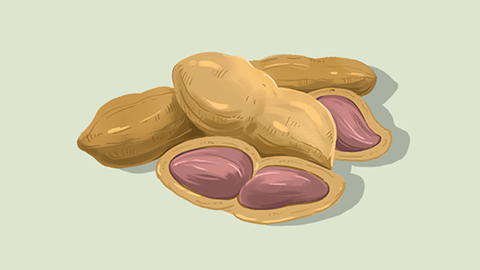
Therefore, when consuming nuts, it is essential to drink adequate water or beverages with cooling and hydrating properties—such as chrysanthemum tea, lemon tea, or green tea—to help prevent “internal heat.” Overconsumption of nuts may also cause adverse effects. For instance, excessive intake may elevate blood pressure. Many commercially processed nuts contain flavorings, some of which may overstimulate the central nervous system and adversely affect the cardiovascular system. Additionally, added salt increases the risk of water and sodium retention. Hence, moderation is key when consuming nuts.

Although nuts are highly nutritious and energy-dense—and offer numerous health benefits—they should be consumed in moderation. Eating too many at once may result in excessive fat intake, potentially causing gastrointestinal issues such as diarrhea. We hope this information proves helpful!



