


Is genital herpes a sexually transmitted infection (STI)?
May 15, 2022
Source: Cainiu Health

Dr. Li Mingchuan
Introduction
Genital herpes is typically a sexually transmitted infection (STI). After contracting genital herpes, transmission most commonly occurs through sexual contact, though vertical (mother-to-child) transmission is also possible. Therefore, individuals diagnosed with genital herpes should abstain from sexual activity to prevent transmission to others. Genital herpes lesions in females most commonly occur on the labia majora and clitoris, whereas in males, they typically appear on the prepuce (foreskin), glans penis, and coronal sulcus.
Some individuals neglect personal genital hygiene and engage in unprotected sexual activity, making them more susceptible to genital herpes. Is genital herpes considered a sexually transmitted infection (STI)?
Is Genital Herpes an STI?
Genital herpes is typically a sexually transmitted infection. After infection, the virus is most commonly transmitted through sexual contact, though it may also be passed from mother to child during childbirth. Therefore, individuals diagnosed with genital herpes should abstain from sexual activity to prevent transmission to others. In women, lesions commonly appear on the labia majora and clitoris; in men, they typically occur on the foreskin, glans penis, and coronal sulcus. Symptoms usually include vesicles (fluid-filled blisters) and erosions in the genital area, which may progress to ulcers. If you experience symptoms suggestive of genital herpes, seek medical attention immediately.
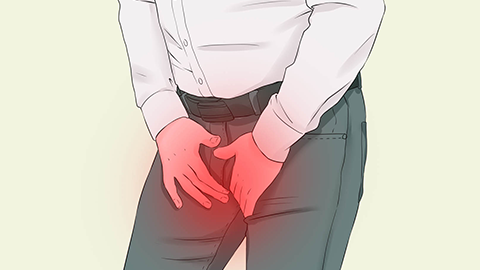
Maintain good personal hygiene: wash the external genitalia daily with clean water, change underwear regularly, and dry underwear thoroughly in direct sunlight. Replace underwear periodically or sterilize it using high-temperature methods to prevent infection. Always wash your hands before using the toilet and before masturbation to avoid introducing bacteria from your hands.
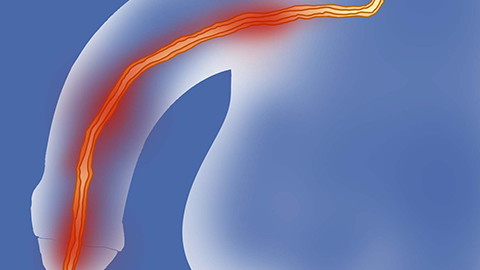
If diagnosed with genital herpes, monitor your condition closely. Avoid excessive anxiety, maintain a regular lifestyle, and engage in moderate physical exercise. To prevent secondary bacterial infection, refrain from rubbing or scratching the affected area, as this may cause blisters to rupture. Frequently used personal items that may become contaminated with the virus should be washed and disinfected in direct sunlight. Ensure adequate rest, consume easily digestible foods, and maintain proper hydration. During treatment, avoid physical overexertion, alcohol consumption, and sexual activity. Additionally, encourage your sexual partner(s) to undergo testing and receive appropriate treatment if necessary. We hope this information proves helpful to you!




