


Can drinking mineral water cause “heatiness”?
May 15, 2022
Source: Cainiu Health

Dr. He Haochen
Introduction
Drinking mineral water does not cause “internal heat” (a traditional Chinese medicine concept referring to inflammatory or hyperactive conditions). Mineral water is a common type of drinking water; when consumed normally in daily life, it typically neither induces “internal heat” nor exacerbates its symptoms. On the contrary, moderate consumption of mineral water may help alleviate physical discomfort caused by “internal heat.” “Internal heat” is associated with multiple factors, including emotional fluctuations and dietary habits. Impaired spleen and stomach function—particularly their ability to transform and transport body fluids—can lead to “deficient fire,” a subtype of “internal heat.”
Mineral water is commonly consumed in daily life and contains abundant macro- and trace elements beneficial to human health, playing a preventive and health-promoting role. But does drinking mineral water cause “internal heat” (a traditional Chinese medicine concept referring to inflammatory or hyperactive conditions)?
Does drinking mineral water cause “internal heat”?
Drinking mineral water does not cause “internal heat.” As a type of ordinary drinking water, mineral water—when consumed normally in daily life—typically neither induces “internal heat” nor exacerbates its symptoms. On the contrary, moderate consumption of mineral water may help alleviate physical discomfort associated with “internal heat.”
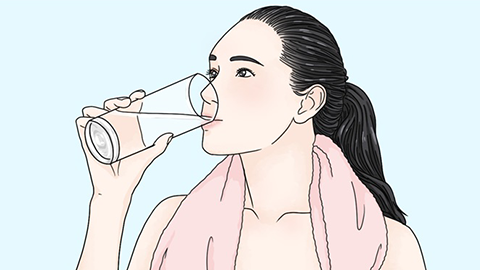
“Internal heat” arises from multiple factors, including emotional fluctuations and dietary habits. Excessive intake of greasy, high-sugar, or spicy foods impairs the spleen and stomach’s ability to transform and transport body fluids, thereby intensifying internal dryness and heat and predisposing individuals to “deficient fire” (a pattern of relative yin deficiency with relative yang excess). Mineral water is not among the foods that readily induce “internal heat”; rather, it replenishes essential bodily fluids. Moderate consumption can help reduce excessive heat and improve symptoms of “internal heat” caused by insufficient body fluids—such as reddish urine, dry mouth and sore throat, and red, swollen, painful eyes.
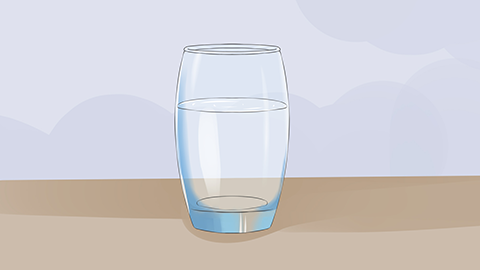
Mineral water contains numerous beneficial substances for the human body as well as free carbon dioxide. However, excessive consumption may impair gastric juice secretion and digestive function, disrupt bile formation and secretion, and lead to acid-base imbalance. Moreover, due to its high mineral content, overconsumption may irritate the kidneys and bladder, increasing their workload. Therefore, patients with chronic nephritis, hypertension, heart disease, or edema should avoid drinking mineral water. We hope this answer has been helpful!








