


What does a negative rubella virus IgG antibody test mean?
May 16, 2022
Source: Cainiu Health

Dr. Jiang Weimin
Introduction
Rubella virus IgG antibody is a marker indicating prior rubella virus infection. A negative IgG result indicates no previous rubella virus infection. Rubella virus antibodies are primarily classified into two types: IgM and IgG. If both IgM and IgG are negative, it indicates that you have not been infected with the rubella virus.
Viruses are now quite common; severe viral infections can significantly disrupt daily life and work, causing considerable harm. Many patients are unfamiliar with the meaning of “virus-positive,” such as a negative rubella virus IgG antibody test. So, what does a negative rubella virus IgG antibody result signify?
What Does a Negative Rubella Virus IgG Antibody Result Mean?
Rubella virus IgG antibodies serve as an indicator of prior rubella virus infection. A negative IgG result indicates that the individual has never been infected with the rubella virus. Rubella virus antibodies are primarily classified into two types: IgM and IgG. If both IgM and IgG are negative, it suggests no prior or current rubella virus infection. Conversely, if IgM is positive while IgG remains negative, this typically indicates a recent rubella virus infection, requiring comprehensive clinical evaluation in conjunction with the patient’s symptoms.
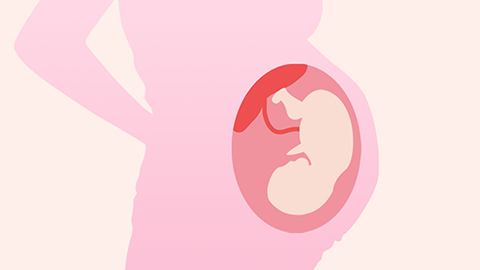
A negative rubella test result implies the absence of rubella virus infection and confirms suitability for pregnancy. However, contracting rubella during pregnancy necessitates termination of pregnancy, as it poses significant risks to fetal development—including intrauterine growth restriction and congenital malformations. In contrast, a positive rubella IgG antibody result indicates pre-existing immunity against the virus and suggests the possibility of safe pregnancy. Prior to conception, couples are advised to undergo preconception screening for TORCH infections (including rubella) and receive the rubella vaccine, if indicated, to prevent infection during pregnancy. Note: Pregnancy should be avoided for at least three months following vaccination.
Patients should maintain good personal hygiene in daily life—such as frequent handwashing and regular toothbrushing—to reduce the risk of viral entry into the body. We hope this information proves helpful!





