


What Are the Types of Psychoactive Substances?
May 16, 2022
Source: Cainiu Health

Dr. Jiang Weimin
Introduction
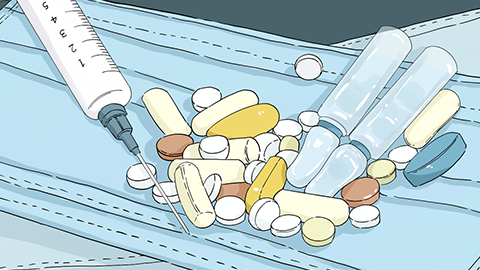
Psychoactive substances include opioids, cocaine, cannabis, amphetamine-type stimulants, sedative-hypnotics, mood stabilizers, hallucinogens, organic solvents, tobacco, alcohol, caffeine, and other chemical agents. Based on their pharmacological properties, psychoactive substances can be classified into the following categories: central nervous system (CNS) depressants—such as barbiturates and benzodiazepines.
In daily life, some individuals—due to mental health conditions or heightened nervous system sensitivity—require psychoactive medications. What are the different types of psychoactive substances?
Categories of Psychoactive Substances
Psychoactive substances include opioids, cocaine, cannabis, amphetamine-type stimulants, sedative-hypnotics, mood stabilizers, hallucinogens, organic solvents, tobacco, alcohol, and caffeine, among other chemical compounds. Based on their pharmacological properties, psychoactive substances can be classified into the following categories:
- Central Nervous System (CNS) Depressants: These inhibit CNS activity and include barbiturates, benzodiazepines, and alcohol.
- CNS Stimulants: These enhance CNS activity and include caffeine, amphetamines, and cocaine.
- Cannabis: Moderate inhalation or ingestion may produce feelings of well-being; higher doses may induce drowsiness and lead to deep, refreshing sleep. Its primary active component is delta-9-tetrahydrocannabinol (THC).

Treatment for substance dependence involves four key components: 1. Modifying maladaptive cognitive patterns that contribute to problematic behavior; 2. Changing behavioral patterns that sustain drug dependence; 3. Helping patients manage acute or chronic cravings; and 4. Enhancing patients’ social skills and reinforcing drug-free behaviors. Relapse prevention employs cognitive-behavioral therapy principles to strengthen patients’ self-regulation capacity and reduce the risk of relapse. Core strategies include exploring psychological conflicts underlying substance intoxication, identifying emotional and environmental triggers of craving, developing effective coping strategies for internal and external stressors, and breaking the cyclical pattern of repeated drug use—thereby enhancing motivation for treatment.
In everyday life, it is important to actively cultivate mental resilience, strengthen one’s psychological resistance and stress tolerance, and thereby prevent dependence on psychoactive medications. We hope this information proves helpful to you!






