


Sigmoid Colon Elongation Syndrome
May 16, 2022
Source: Cainiu Health

Dr. Zhao Haiming
Introduction
Abdominal distension: Caused by gradually decreased intestinal motility and recurrent constipation.
Abdominal pain: Primarily lower abdominal pain resulting from adhesions involving the long colonic segment (especially the sigmoid colon), mesentery, and surrounding tissues, leading to intestinal torsion, stretching, or contraction.
Chronic, refractory constipation: In patients with redundant sigmoid colon, feces remain retained in the colon for prolonged periods, resulting in excessive water absorption and difficulty in defecation.
Sigmoid colon elongation is a major cause of constipation, significantly impairing patients’ daily life and work, necessitating timely treatment. So, what are the symptoms of sigmoid colon elongation?
Symptoms of Sigmoid Colon Elongation
Abdominal distension: Caused by progressively diminished intestinal motility and recurrent constipation.
Abdominal pain: Primarily lower abdominal pain, resulting from adhesions between the elongated sigmoid colon, its mesentery, and surrounding tissues—leading to twisting, stretching, or contraction of the bowel.
Chronic, refractory constipation: Occurs because feces remain in the colon for prolonged periods in patients with sigmoid colon elongation, leading to excessive water absorption and difficulty in defecation. Moreover, sigmoid colon elongation is frequently accompanied by reduced colonic motility, further contributing to constipation. As the condition progresses, intermittent constipation—initially caused by intestinal dysmotility—eventually evolves into chronic, refractory constipation.
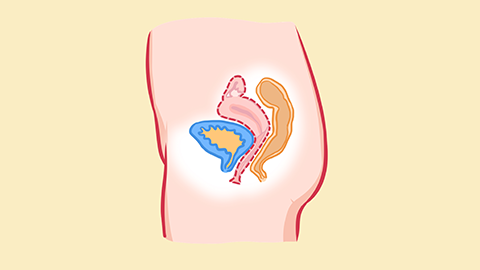
Sigmoid colon elongation generally refers to an abnormally increased length of the sigmoid colon. When food remains in the colon for extended periods, water is repeatedly absorbed—a primary clinical cause of constipation. For mild constipation, lifestyle modifications—such as increasing fluid intake, consuming more vegetables, and engaging in regular physical activity—may suffice. However, in a minority of patients with severe constipation attributable to marked sigmoid colon elongation, lifestyle adjustments alone prove ineffective, and surgical intervention should be considered.

Patients may adjust their diet by consuming high-fiber foods to maintain regular bowel movements; avoid overly refined foods; engage in moderate physical activity; and eat more fresh fruits and vegetables—such as bananas—to promote defecation. We hope this information proves helpful to you.








