


What is glomerular hematuria?
May 17, 2022
Source: Cainiu Health

Dr. Zhao Xinju
Introduction
Glomerular hematuria refers to hematuria caused by glomerulonephritis. Patients with glomerulonephritis typically present with hematuria, proteinuria, peripheral edema, and elevated blood pressure. Hematuria primarily manifests as reddish discoloration of the urine—sometimes resembling wash water, and at other times appearing brownish like liver color. Once glomerulonephritis is diagnosed, treatment must include corticosteroids combined with immunosuppressants to control the disease.
In daily life, various health conditions may arise; however, there is no need to panic upon noticing symptoms. So, what exactly is glomerular hematuria?
What Is Glomerular Hematuria?
Glomerular hematuria refers to hematuria (blood in the urine) caused by glomerulonephritis. Patients with glomerulonephritis typically present with hematuria, proteinuria, peripheral edema (e.g., swelling of the limbs), and elevated blood pressure. Hematuria primarily manifests as reddish discoloration of the urine—sometimes appearing like “meat washings,” or occasionally resembling the color of liver tissue. Once glomerulonephritis is diagnosed, treatment usually involves corticosteroids combined with immunosuppressive agents to control disease progression. Glomerular hematuria indicates that the bleeding originates from the glomeruli and thus supports a diagnosis of glomerulonephritis.
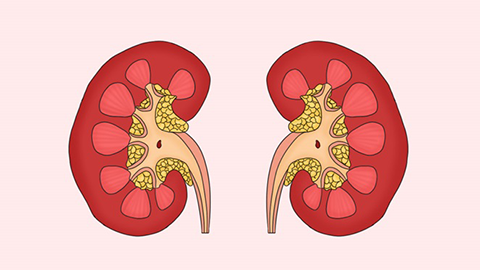
Isolated hematuria—without accompanying proteinuria, declining renal function, or elevated serum creatinine—generally does not require specific treatment. If no other symptoms are present, this represents the mildest form of glomerulonephritis, clinically termed “asymptomatic hematuria.” Since it has minimal impact on overall health, the condition often remains stable over the long term. Regular monitoring via dynamic follow-up examinations is recommended, but pharmacological intervention is typically unnecessary. Hematuria in glomerulonephritis occurs when red blood cells leak through the damaged glomerular basement membrane.

When hematuria occurs in patients with glomerulonephritis, other potential causes of hematuria must also be ruled out. Additionally, individuals experiencing any symptoms should promptly seek medical evaluation at a hospital and undergo appropriate management under the guidance of a physician. We hope this information proves helpful to you!




