What is deficient in night blindness?
May 18, 2022
Source: Cainiu Health

Dr. Chen You
Introduction
Night blindness may be caused by vitamin A deficiency. Dark adaptation primarily depends on the function of rod cells in the retina, and vitamin A is essential for the synthesis and metabolism of these rod cells. However, night blindness is not always attributable to a single factor; it may also result from retinal diseases, such as retinitis pigmentosa, fundus changes associated with high myopia, drug-induced toxicity, or congenital choroideremia.
Some individuals experience night blindness in daily life, rendering them unable to see anything in dimly lit environments or at night and significantly impairing their mobility—causing considerable inconvenience. Understanding the underlying causes of this condition can help effectively prevent its onset. So, what is deficient in night blindness?
What Is Deficient in Night Blindness?
Vitamin A deficiency is a common cause of night blindness. Dark adaptation—the process by which the eyes adjust to low-light conditions—primarily relies on the function of rod cells in the retina, whose synthesis and metabolism require vitamin A. However, night blindness is not always attributable to a single factor; it may also result from retinal or fundus disorders, such as retinitis pigmentosa, fundus changes associated with high myopia, advanced glaucoma, drug-induced toxicity, or congenital choroideremia. Markedly reduced vision in low-light or nighttime conditions, along with diminished dark-adaptation capacity, may indicate night blindness. Patients should seek detailed evaluation at an ophthalmology outpatient clinic to determine the precise etiology.
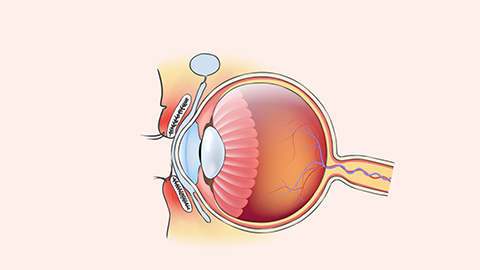
Preventing night blindness requires proactive measures. Consume foods rich in vitamin A, such as eggs and animal liver. First and foremost, maintain a scientifically balanced diet—especially for infants and adolescents undergoing rapid development—and promote dietary diversity. In addition to staple grains, complementary foods should include fish, meat, eggs, legumes, dairy products, organ meats (e.g., liver), and fresh vegetables. For patients with severe symptoms, bed rest during nighttime hours is recommended. Vitamin A supplementation or beta-carotene extracts may be administered. Beta-carotene is converted into vitamin A in the body and carries no known adverse effects.

When symptoms appear, prompt medical consultation and targeted treatment are essential. We hope this information has been helpful!