


Nyctalopia is caused by a deficiency of what?
Mar 19, 2025
Source: Cainiu Health

Dr. Wang Shuai
Introduction
Under normal circumstances, night blindness is mainly caused by a deficiency of vitamin A or zinc. Vitamin A plays a crucial role in the visual signal transduction process of the retina. The rod cells on the retina contain rhodopsin, and when light enters the eye, the retinal within rhodopsin undergoes a structural change, thereby generating nerve impulses that are transmitted to the brain to form vision.
Normally, night blindness is mainly caused by a deficiency in vitamin A or zinc. The specific analysis is as follows:
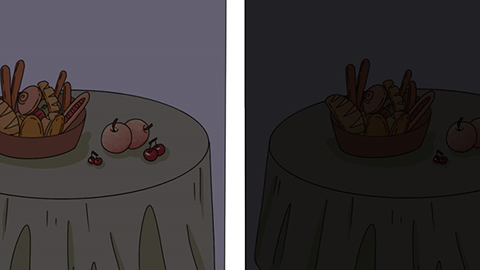
Vitamin A plays a crucial role in the visual signal transmission process of the retina. Rod cells on the retina contain rhodopsin; when light enters the eye, the retinal within rhodopsin undergoes structural changes, generating nerve impulses that are transmitted to the brain to form vision. If patients lack vitamin A, the rod cells in the retina may be unable to synthesize rhodopsin normally, reducing the retina's sensitivity to dim light, thus causing night blindness symptoms, meaning significantly reduced vision in dim environments or at night, even to the point of being unable to see objects clearly.
Zinc promotes the absorption and utilization of vitamin A. If patients lack zinc, it may affect the absorption of vitamin A, thereby lowering vitamin A levels in the body, which can severely also lead to night blindness.
Night blindness may also be related to eye diseases. For example, eye diseases such as retinitis pigmentosa, glaucoma, and cataracts may affect the eye's structure, nerves, blood vessels, and other aspects, leading to night blindness.
In daily life, if night blindness symptoms occur, one should seek medical attention promptly to determine the cause and undergo targeted treatment or supplement the corresponding nutrients.








