


Can people with high uric acid levels eat konjac?
May 18, 2022
Source: Cainiu Health

Dr. Liu Aihua
Introduction
Individuals with hyperuricemia can consume konjac, which is rich in dietary fiber and helps with weight management and improved insulin sensitivity. Therefore, those with elevated uric acid levels may consume konjac in moderation—including konjac powder and konjac tofu. Konjac is an ideal food for weight loss, as hyperuricemia is often associated with obesity and metabolic disorders.
Konjac is a commonly consumed food in daily life, known for its lipid- and glucose-lowering effects, detoxifying and laxative properties, and potential anti-cancer and cancer-preventive benefits. So, can individuals with hyperuricemia consume konjac?
Can individuals with hyperuricemia consume konjac?
Yes, individuals with elevated uric acid levels may consume konjac. Konjac is rich in dietary fiber, which supports weight management and improves insulin sensitivity.
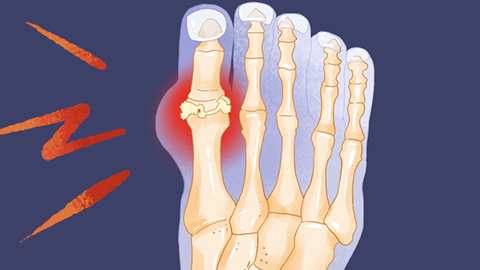
Therefore, individuals with hyperuricemia may consume konjac in moderation—including konjac flour and konjac tofu. Konjac is considered an ideal food for weight loss, as hyperuricemia often coexists with obesity, insulin resistance, metabolic disorders, and metabolic syndrome. Accordingly, individuals with hyperuricemia, obesity, or insulin resistance may benefit from konjac consumption to help regulate insulin resistance, support weight control, enhance insulin sensitivity, and improve associated conditions such as non-alcoholic fatty liver disease, dyslipidemia, abnormal blood glucose levels, hypertension, and elevated uric acid.
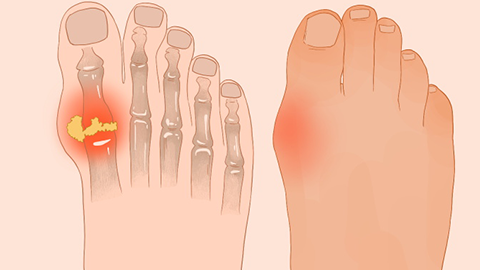
Patients with hyperuricemia should avoid high-purine foods, including seafood (e.g., sardines, anchovies, shellfish, shrimp), broths (e.g., seafood broth, long-simmered bone broth, lean meat broth), organ meats (e.g., chicken liver, pork liver, goose liver, kidneys), alcoholic beverages—especially beer—as well as legumes and mushrooms. Additionally, individuals experiencing symptoms should promptly seek medical evaluation and follow their physician’s guidance for appropriate management. We hope this information is helpful to you!







