


What Are the Causes of Infertility?
May 19, 2022
Source: Cainiu Health

Dr. Chen Zhe
Introduction
Causes of Female Infertility:
The first category involves ovulatory disorders—endocrine abnormalities caused by various factors, leading to anovulation or oligo-ovulation.
The second category comprises tubal factors—such as salpingitis, peri-tubal adhesions, ectopic pregnancy, or prior tubal ligation—which impair the fallopian tubes’ function as a conduit for sperm and egg interaction, thereby resulting in infertility.
Infertility generally refers to the inability to achieve pregnancy after one year of regular, unprotected sexual intercourse without conception. So, what are the causes of infertility?
Causes of Infertility
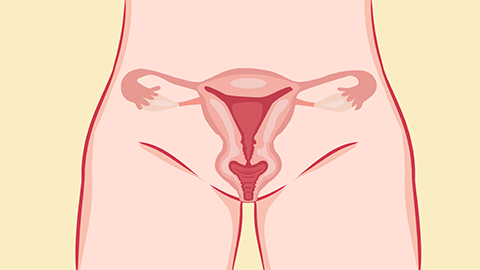
Causes of female infertility fall into several categories: First, ovulatory disorders—endocrine abnormalities caused by various factors leading to anovulation or oligo-ovulation. Second, tubal factors—such as salpingitis, peri-tubal adhesions, ectopic pregnancy, or prior tubal ligation—which obstruct the passage where sperm and egg meet, thereby preventing conception. Third, endometriosis. Fourth, uterine factors—including congenital uterine anomalies (e.g., absence of the uterus, uterine malformations such as septate uterus), endometrial abnormalities (e.g., endometritis, endometrial tuberculosis), as well as intrauterine fibroids or tumors—all of which may impair fertility.

Cervical factors—including cervicitis, cervical developmental abnormalities, and abnormal cervical mucus function—can impede sperm motility and upstream migration, hinder sperm storage, and reduce sperm penetration through the cervical canal, potentially resulting in infertility. Vulvovaginal abnormalities—including congenital malformations of the vulva and vagina, ambiguous genitalia, imperforate hymen, or vaginal atresia—may prevent sexual intercourse altogether, thereby blocking sperm entry into the cervical os and causing infertility. More commonly, vaginitis (e.g., trichomoniasis or candidiasis) alters vaginal pH, reducing sperm motility and impairing fertility.
Lastly, when no identifiable cause is found despite comprehensive evaluation, the condition is termed “unexplained infertility.” All diagnostic tests yield normal results, yet conception fails to occur. We hope this information is helpful to you!





