


How long does it take for sudden deafness and tinnitus to recover?
May 20, 2022
Source: Cainiu Health

Dr. Pan Yongyuan
Introduction
Sudden sensorineural hearing loss (SSNHL) refers to hearing loss that occurs within 72 hours. Most patients present with unilateral involvement, while a minority exhibit bilateral involvement. The majority of SSNHL patients also experience tinnitus, and earlier treatment generally yields better outcomes. Patients should seek medical attention as soon as possible after onset; audiologic evaluation can determine the degree and frequency-specific pattern of hearing loss. Clinically, treatment typically includes corticosteroids to improve microcirculation and neurotrophic medications to support nerve function.
Sudden sensorineural hearing loss (SSNHL) primarily results from microcirculatory disturbances in the inner ear, leading to vascular occlusion or vasospasm and causing an abrupt decline in hearing. How long does tinnitus associated with SSNHL take to resolve?
How long does tinnitus associated with sudden hearing loss take to resolve?
Tinnitus commonly accompanies SSNHL; however, the duration until tinnitus resolves varies significantly among individuals and cannot be generalized. In a minority of patients with poor treatment response, tinnitus may persist chronically.

SSNHL is defined as hearing loss occurring within 72 hours. Most patients present with unilateral involvement, while only a minority exhibit bilateral involvement. The majority of SSNHL patients experience tinnitus, and earlier intervention generally yields better outcomes. Patients should seek medical attention promptly after onset; diagnostic evaluation helps determine the degree and frequency-specific pattern of hearing loss. Clinically, treatment typically includes corticosteroids to improve microcirculation and neurotrophic agents to support nerve function. Some patients may require additional therapies such as hyperbaric oxygen therapy. Most SSNHL patients achieve partial or complete recovery; as hearing improves, tinnitus often diminishes accordingly. In the majority of cases, tinnitus also improves or resolves following successful SSNHL treatment—though in a small subset of patients, tinnitus persists and requires continued pharmacological management.
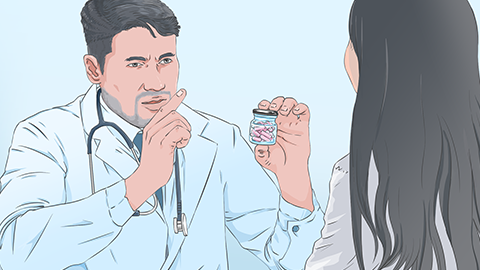
Individuals experiencing sudden hearing loss are advised to consult an otolaryngologist promptly for definitive diagnosis and timely, targeted intervention. SSNHL patients should increase their intake of protein- and vitamin-rich foods, such as lean meats, legumes, and leafy green vegetables. Stimulating beverages—including strong tea, coffee, and alcohol—should be avoided before bedtime. We hope this information proves helpful!




