


Is joint pain in the foot gout?
May 22, 2022
Source: Cainiu Health

Dr. Pan Yongyuan
Introduction
Ankle pain is not necessarily caused by gout; however, gout can indeed lead to foot pain. There are numerous potential causes of foot pain, with osteoarthritis and soft-tissue injuries being among the most common. Sudden onset of severe ankle pain—accompanied by redness, swelling, and increased skin temperature—should raise suspicion for gout. Nevertheless, many other conditions—including osteoarthritis and connective tissue diseases—can also cause ankle joint pain.
In daily life, some individuals experience pain in the joints of the foot sole, and elderly people may also present with similar symptoms. Some may suspect that this foot joint pain is caused by gout—so, is foot joint pain necessarily gout?
Is foot joint pain always gout?
Ankle joint pain is not necessarily due to gout, although gout can indeed cause foot pain. There are many potential causes of foot pain, with osteoarthritis and soft-tissue injuries being among the most common. Sudden onset of severe ankle pain accompanied by redness, swelling, and increased local skin temperature should raise suspicion for gout. However, numerous other conditions—including osteoarthritis, osteoporosis, ankylosing spondylitis, rheumatoid arthritis, and connective tissue disorders—can also cause ankle or foot joint pain.
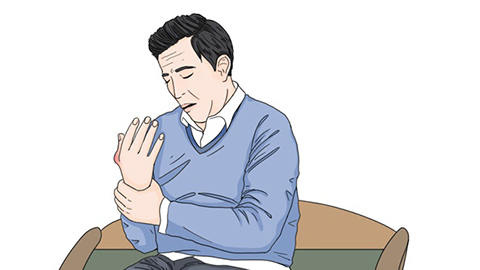
Moreover, prompt treatment is essential upon diagnosis of gout; otherwise, complications may develop. As gout incidence continues to rise, it must be taken seriously—its associated pain should never be ignored. Simple lifestyle modifications can make a significant difference: adopt healthy daily habits, adjust dietary patterns—reduce meat intake (especially red and organ meats), increase vegetable consumption, avoid excessive rich meals, and engage in regular, moderate physical activity. These measures help improve metabolism and blood circulation, thereby enhancing overall physical fitness.
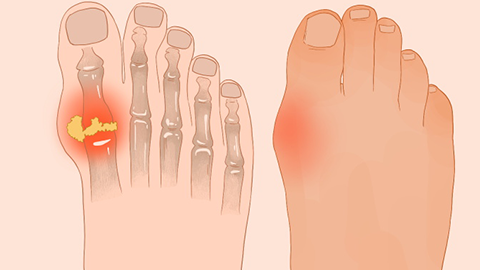
Additionally, if symptoms appear, it is advisable to seek medical evaluation promptly at a hospital and follow the physician’s guidance for appropriate management. We hope this information has been helpful to you!




