


What Should Pregnant Women Do for Pharyngitis?
May 25, 2022
Source: Cainiu Health

Dr. Guo Xiheng
Introduction
If symptoms of pharyngitis occur during pregnancy, it is best to avoid taking medications indiscriminately. Dietary therapy may be adopted instead—for example, drinking plenty of water, avoiding spicy and irritating foods, and consuming heat-clearing and fire-purging foods such as mung bean soup, watermelon, and stewed pear with rock sugar. If the pharyngitis is severe and the pregnancy is beyond the first trimester, medical consultation is recommended, and medications (e.g., oral amoxicillin capsules) may be prescribed by a physician.
For pregnant women, developing pharyngitis during pregnancy can harm and adversely affect fetal development. So, what should a pregnant woman do if she develops pharyngitis?
What to Do If a Pregnant Woman Develops Pharyngitis
If symptoms of pharyngitis appear, it is best not to take medications indiscriminately. Dietary therapy is recommended—for example, drinking plenty of water, avoiding spicy and irritating foods, and consuming heat-clearing, fire-purging foods such as mung bean soup, watermelon, and stewed pear with rock sugar. If the pharyngitis is severe and occurs after the first trimester, medical consultation is advisable, and medication may be prescribed under professional supervision. Oral amoxicillin capsules or local nebulized inhalation therapy are generally considered safe for the fetus.
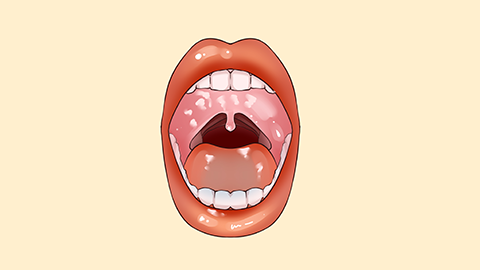
It is common for pregnant women to have reduced immunity, making them more susceptible to bacterial infection and illness. Those with a prior history of pharyngitis may experience recurrence during pregnancy. It is advisable to seek diagnosis and treatment at a reputable hospital. To avoid adverse effects on fetal development, dietary therapy is preferred whenever possible. With consistent adherence, noticeable improvement can be expected.

Pregnant women fear illness most, as prolonged illness can significantly impact the fetus. While pharyngitis is treatable, special care must be taken regarding therapeutic approaches during pregnancy. Medications should be avoided whenever possible to prevent potential fetal malformations. In daily life, controlling diet plays an important role in managing pharyngitis effectively. Nutrient-rich foods—including milk and lean meats—are encouraged. We hope this information proves helpful!






