


How to Regulate the Body in a Sub-Healthy State
May 25, 2022
Source: Cainiu Health

Dr. He Haochen
Introduction
Suboptimal health (a state between health and disease) can be regulated through the following methods:
1. Maintain a positive mood. A good mood naturally promotes better physical well-being.
2. Ensure adequate rest—particularly high-quality sleep and sufficient sleep duration. It is generally recommended to go to bed before 10:30 p.m. to guarantee adequate sleep time.
3. Increase intake of high-quality protein, which helps enhance the body’s immune resistance.
In daily life, many people experience a state of “sub-health”—a condition lying between health and disease. Prolonged sub-health negatively impacts daily functioning and overall quality of life. So, how can one manage and improve sub-health?
How to Manage Sub-Health
Sub-health can be effectively managed through the following approaches: 1. Maintain a positive mood. Good emotional well-being naturally supports better physical health. 2. Prioritize adequate rest—especially quality and duration of sleep. Aim to go to bed before 10:30 p.m. nightly to ensure sufficient, restorative sleep. 3. Maintain balanced nutrition. Emphasize high-quality protein intake, which strengthens the body’s resistance and immunity. Excellent sources include sea cucumber, milk, eggs, pork tenderloin, and beef. Additionally, consume ample fresh vegetables and fruits, rich in vitamins and minerals that exert antioxidant effects and help delay aging.
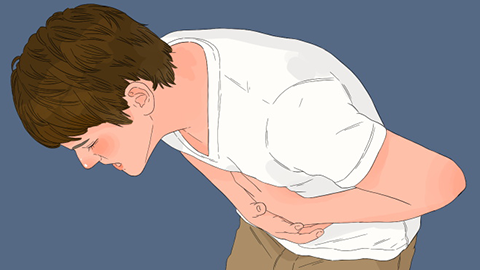
Common manifestations of sub-health include palpitations, insomnia, chest tightness, irritability, pronounced cold intolerance, cold sweats, cyanotic or profuse sweating, oral discomfort, sore throat, sallow or pale complexion, bluish discoloration around the eyes, cold extremities with swelling, and mild lower-limb edema—symptoms reflecting an intermediate state between overt disease and optimal health. Clinically, no definitive pathological abnormalities are detected upon examination; yet individuals experience these symptoms, indicating sub-health. Management may involve dietary adjustments, lifestyle modifications, and psychological support. When necessary, medications may be prescribed under professional medical guidance.

Individuals should pay close attention to nutritional supplementation and regular physical exercise to enhance their resistance and immune function, thereby promoting and sustaining overall health. We hope this information is helpful. Wishing you robust health and a joyful life!







