Is lung abscess contagious?
May 25, 2022
Source: Cainiu Health

Dr. Guo Xiheng
Introduction
Lung abscess is not a contagious disease and therefore is not transmissible. It is a purulent pulmonary infection caused by various pathogenic microorganisms. Routes leading to lung abscess include aspiration, hematogenous dissemination, and direct extension from adjacent organs. Aspiration of upper respiratory tract secretions is the most common cause of lung abscess. Clinically, it presents with high fever, cough, and copious foul-smelling purulent sputum. Chest X-ray reveals a well-defined cavity—single or multiple—with air-fluid levels.
In daily life, some patients with lung abscess worry whether they might infect others or cause inconvenience and distress to those around them. So, is lung abscess contagious?
Is Lung Abscess Contagious?
Firstly, lung abscess is not an infectious disease and therefore is not contagious. It is a suppurative pulmonary infection caused by various pathogenic microorganisms. Common routes of infection include aspiration and hematogenous or lymphatic spread from adjacent infected organs.
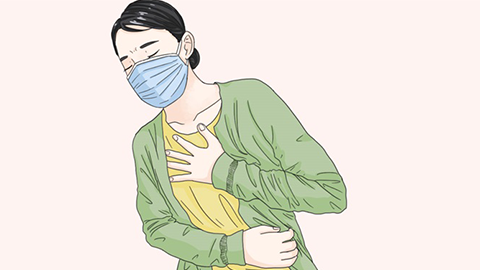
Aspiration of upper respiratory tract secretions is the most common cause of lung abscess. Clinically, it presents with high fever, cough, and copious foul-smelling purulent sputum. Chest X-ray typically reveals a well-defined cavity—single or multiple—with air-fluid levels. Lung abscess can occur at any age but is most frequently seen in young and middle-aged adults, with a higher incidence in males than females. Since the widespread use of antibiotics, its incidence has markedly declined. The causative pathogens are predominantly anaerobic bacteria; bronchial obstruction is an important predisposing factor, and infections are often polymicrobial—including anaerobes, aerobes, and facultative anaerobes.

Additionally, patients diagnosed with lung abscess should rest quietly in bed and closely monitor changes in body temperature, pulse rate, and cough symptoms. Accurate records should be maintained. Indoor temperature and humidity should be appropriately regulated. During the ulcerative phase, patients should be instructed on proper positioning for postural drainage. A high-calorie, easily digestible semi-liquid diet is recommended—low in fat and free of spicy foods—while encouraging increased intake of fruits and other nutritious foods. Furthermore, individuals experiencing symptoms should seek prompt medical evaluation and follow their physician’s guidance for appropriate management. We hope this information is helpful to you!