Differences Between Lung Abscess and Bronchiectasis
Jun 05, 2022
Source: Cainiu Health

Dr. Guo Xiheng
Introduction
Bronchiectasis typically has a chronic onset, accompanied by fever, night sweats, fatigue, and anorexia. When bronchiectasis is associated with compensatory or obstructive emphysema, dyspnea, shortness of breath, or cyanosis, the condition may progress to cor pulmonale and cardiorespiratory failure in advanced stages. Classic symptoms include chronic cough, production of large volumes of purulent sputum, and recurrent hemoptysis. Sputum production most commonly occurs in the morning, evening, and before bedtime.
Some patients have relatively weak constitutions and are prone to common colds, which may trigger coughing. If left untreated promptly, such infections can progress to pneumonia, potentially leading to lung abscesses and bronchitis. So, what are the differences between lung abscess and bronchiectasis?
Differences Between Lung Abscess and Bronchiectasis
Bronchiectasis typically has a chronic onset, often accompanied by fever, night sweats, fatigue, and anorexia. When bronchiectasis is associated with compensatory or obstructive emphysema, patients may experience dyspnea, shortness of breath, or cyanosis. In advanced stages, it may lead to cardiorespiratory failure or cor pulmonale. Classic symptoms include chronic cough, production of large volumes of purulent sputum, and recurrent hemoptysis. Sputum production is most common in the morning, evening, and before bedtime. In contrast, patients with lung abscess typically present with high fever (39–40°C), cough, and mucoid or mucopurulent sputum. In larger lesions, inflammation involving the parietal pleura may cause pleuritic chest pain and tachypnea. Additional systemic symptoms may include depression and loss of appetite.
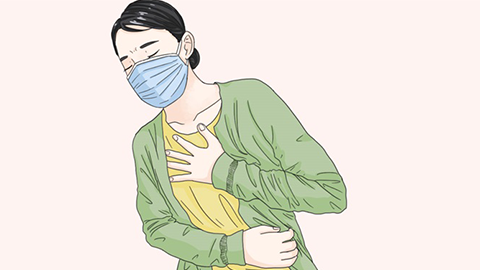
Patients who maintain regular physical activity should select appropriate low-intensity aerobic exercises—such as walking or slow jogging—based on their age and fitness level, and avoid vigorous exercise. Excessive exertion may cause tracheobronchial wall rupture and subsequent hemorrhage, potentially causing unnecessary harm to the body.

In daily life, individuals should practice personal protective measures: avoid crowded places whenever possible, and wear masks when going outdoors to prevent infection. We hope this information proves helpful!