


What Are the Methods of Gua Sha?
May 25, 2022
Source: Cainiu Health

Dr. He Haochen
Introduction
The primary gua sha techniques include the “pinching method,” in which the practitioner bends all five fingers, hooking the index and middle fingers, applies a lubricating medium to the skin, and then pinches and lifts the patient’s skin at the targeted area—releasing and reapplying pressure repeatedly. Another technique is the “lifting method,” wherein the practitioner uses the thumb and index finger to lift the patient’s skin at a specific acupoint or region, causing the lifted area to develop dark red or purplish petechiae, thereby achieving the therapeutic objective.
Gua Sha (scraping therapy) is a widely practiced health-preserving method in modern society, and many people use it to enhance their physical strength and well-being. But what are the different Gua Sha techniques?
What Are the Main Gua Sha Techniques?
The primary Gua Sha techniques include:
- Pinching Method (also known as the Pulling Method): The practitioner bends the fingers, hooking the index and middle fingers, applies a lubricating medium (e.g., oil or water), and then pulls and releases the skin at the targeted area.
- Pulling Gua Sha Method: Using the thumb and index finger, the practitioner lifts the patient’s skin at a specific acupoint or region until dark red or purplish petechiae appear, thereby achieving therapeutic effects.
- Squeezing Gua Sha Method: The practitioner uses the thumb and index finger to squeeze the skin until purplish-red ecchymoses form.
- Clapping (Tapping) Gua Sha Method: The practitioner lightly taps designated body areas or acupoints using an open palm or a specialized tapping board.
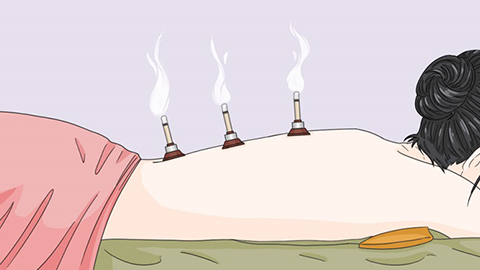
Gua Sha involves scraping the skin with a smooth-edged tool—commonly made of jade, buffalo horn, or ceramic—but any suitable material may be used. A lubricating medium such as water, oil, or herbal lotion is typically applied beforehand. As an external treatment modality, Gua Sha targets the Jingjin (sinew channels) and skin to treat internal disorders. Its benefits include promoting Qi circulation and relieving pain, invigorating blood flow and resolving stasis, and reducing fever—making it especially common for fever management.
Following Gua Sha, local blood circulation accelerates and regional blood flow increases, thus enhancing blood activation and stasis resolution. By stimulating muscular attachment points, Gua Sha also helps alleviate muscle spasms, improve subcutaneous metabolism, and effectively relieve localized pain. We hope this explanation proves helpful!



